
What’s the Difference Between a Continuous and an Individual Stair Railing?
-
Continuous Stair Railing:
A single, uninterrupted railing that runs the entire length of the staircase, providing a seamless and consistent handhold from bottom to top.
-
Individual Stair Railing:
Separate railing sections installed in segments or panels, often divided by newel posts or landings, creating distinct railing pieces along the staircase.
STAIR FRAME RAILINGS | KNOWLEDGE 101.
A BEGINNERS GUIDE — THOUGHTFULLY CRAFTED TO GIVE A CLEAR UNDERSTANDING OF THE VARIOUS FABRICATION TECHNIQUES AND RAILINGS SYSTEMS USED BY OUR PROFESSIONAL STAIRCASE SPECIALISTS.
✅ YOUR FIRST PHAZE FOR A QUOTATION PROCESS IS TO CHOOSING THE RIGHT SYSTEM.
PRE: Choosing your preferred visual design and bar layout sequence, ensuring both style and functionality are aligned with your space.

Planning home improvements? Understanding stair railings, frame types, and mounting options is key to making smart and lasting choices for your space. This guide is designed specifically for homeowners who want to feel confident and informed during the design and quotation process.
💡 Learn what matters most — from style and safety to structure and installation — all in one place.
✅ Start learning now and take the first step toward a better outcome:
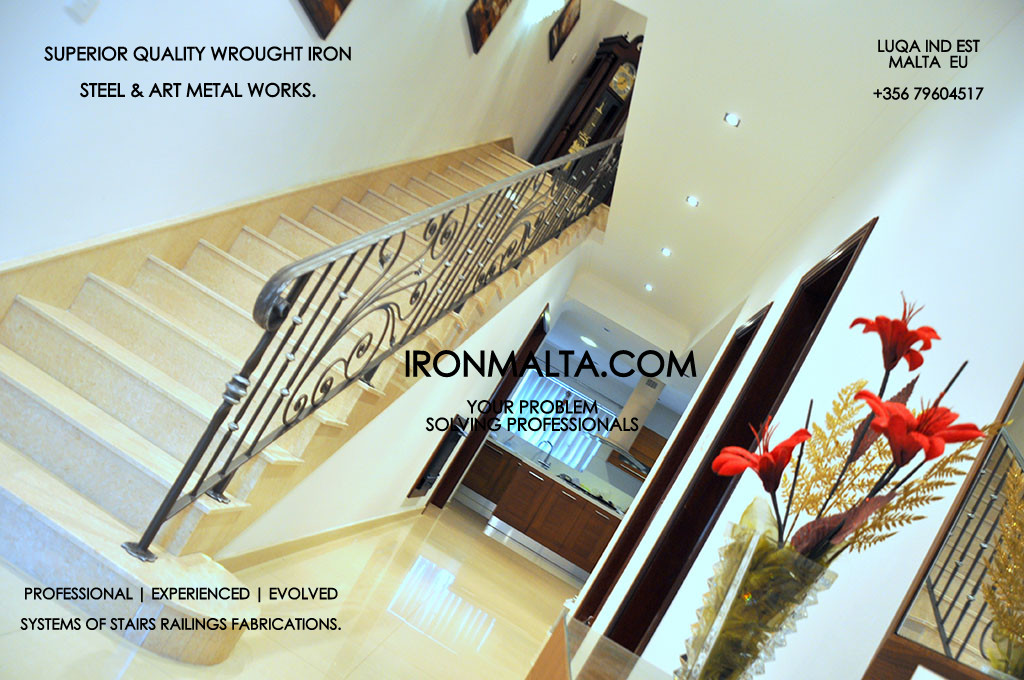
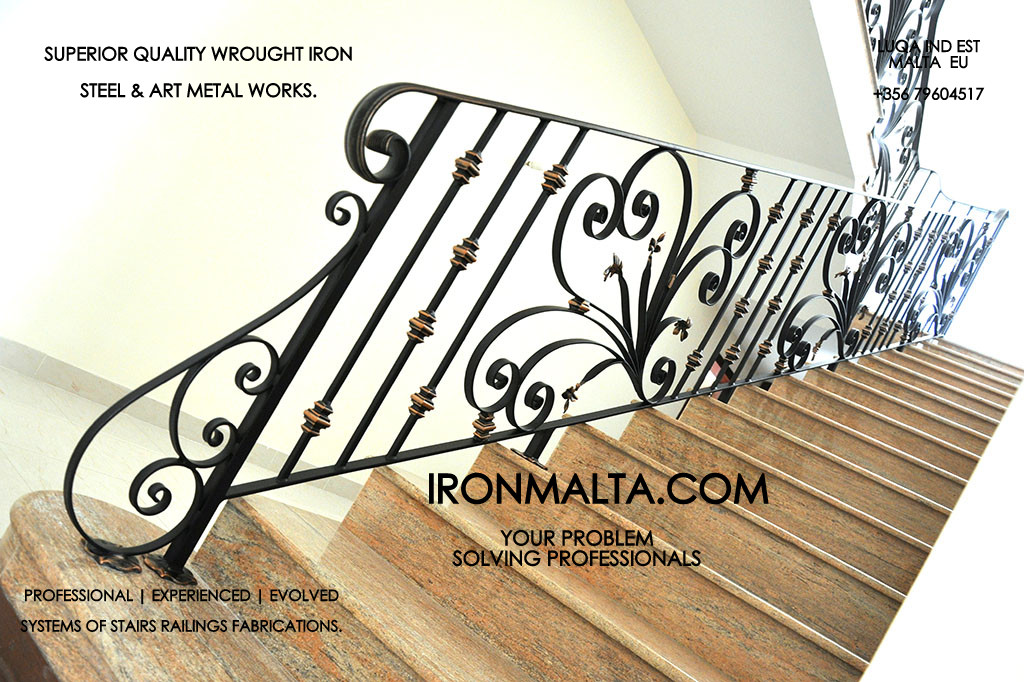
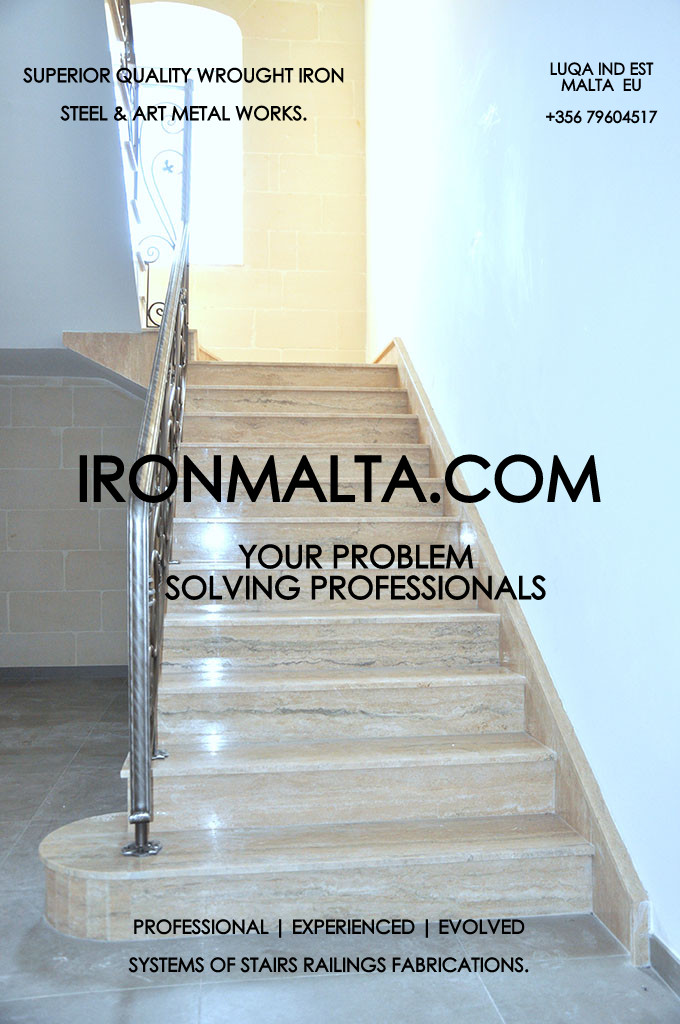
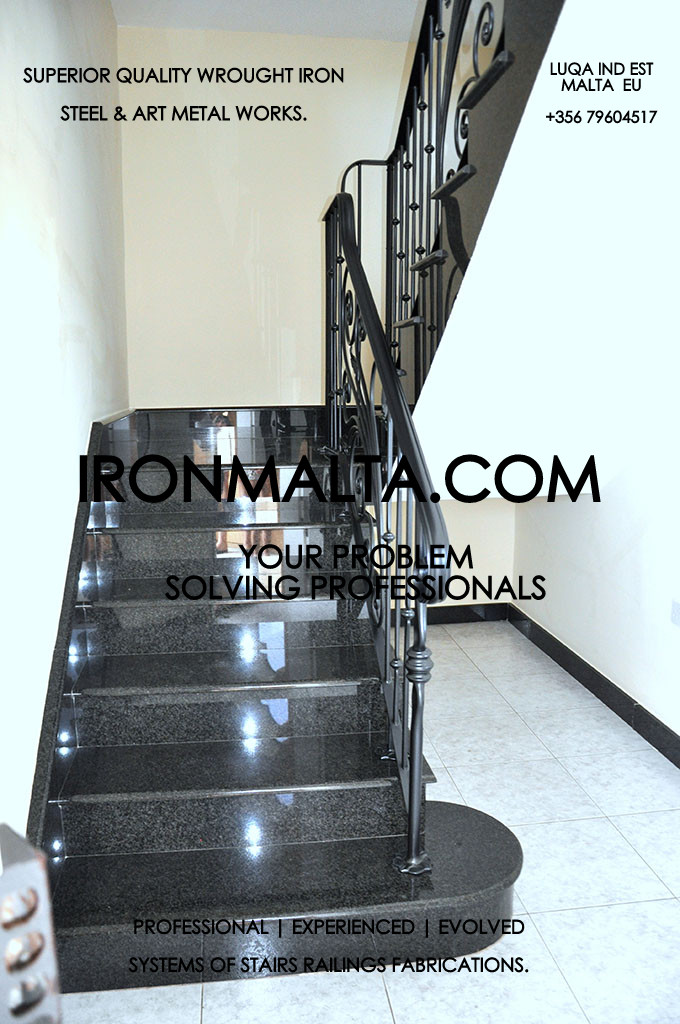
VARIOUS RAILINGS SYSTEMS VISUALLY LISTED BELOW.
Take a look at the different railing systems showcased below — each one is visually presented to help you choose and compare styles, materials, and installation options, so you can select the solution that best suits your home.
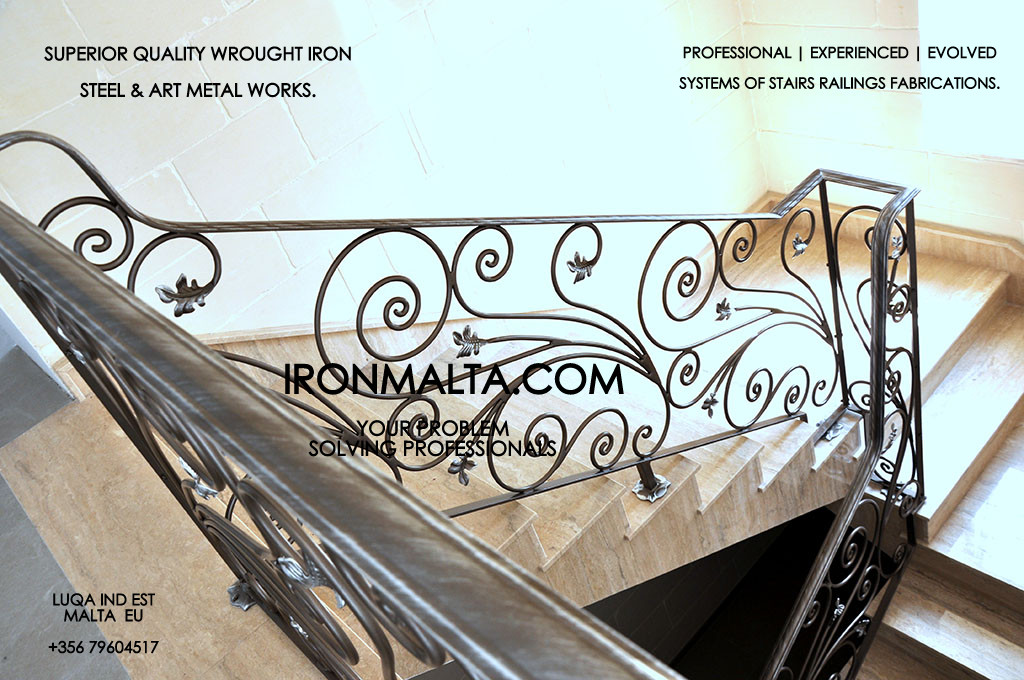
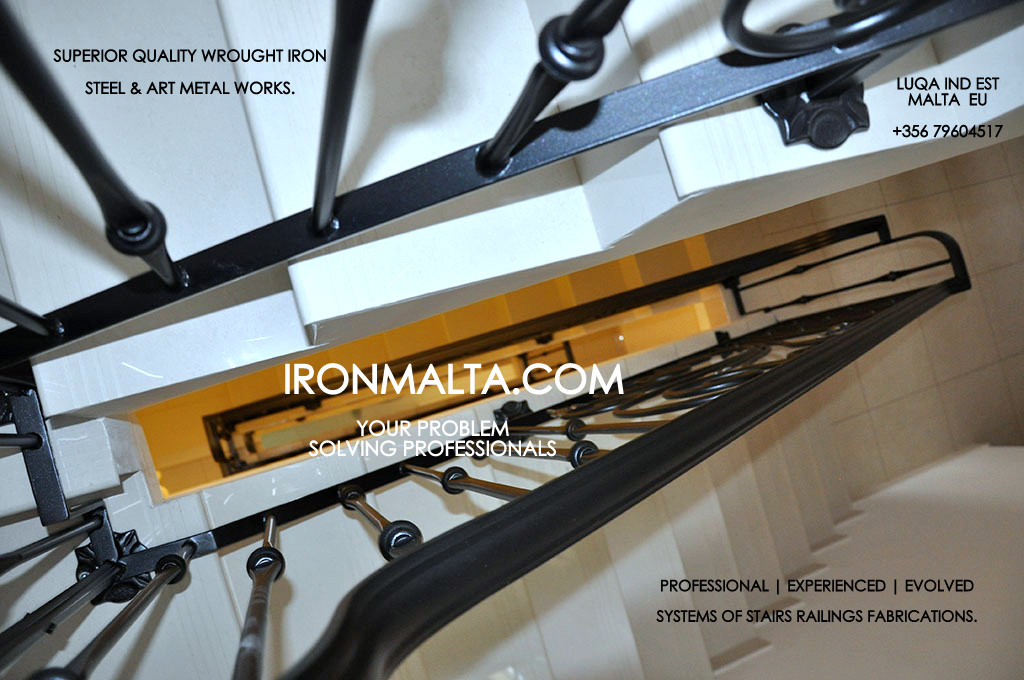
🔹 CONTINUOUS SYSTEM – INSIDE FIXED STAIR RAILINGS
A sleek and modern railing solution where the system is continuously mounted along the inner side of the staircase. Ideal for minimalist designs, this configuration ensures both structural integrity and a clean visual flow, perfectly suited for residential and commercial interiors.
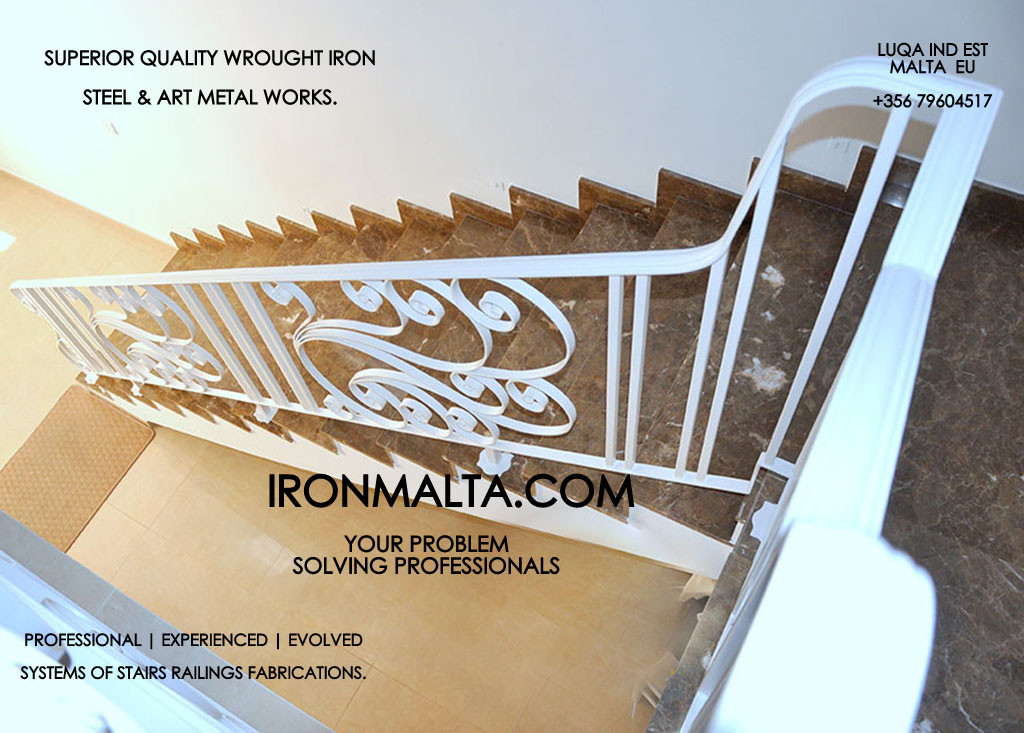
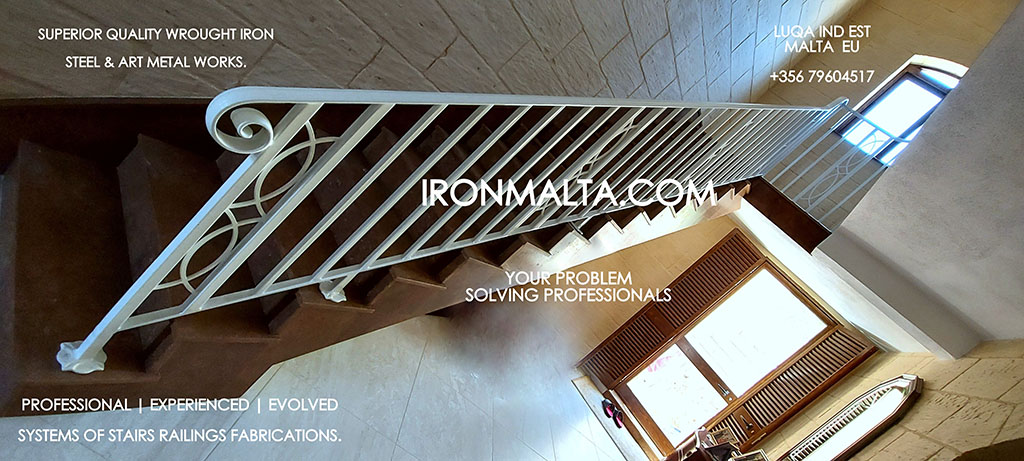
HANDRAIL CONNECTED FROM TOP TO BOTTOM.
A seamless handrail design that runs continuously from the top of the staircase all the way to the bottom, ensuring both safety and aesthetic flow. This uninterrupted connection provides a smooth grip and a polished, cohesive look.
✅ Key Features:
-
Continuous railing along all the stairs.
-
Strong and durable fixing method.
-
Compatible with various infill designs and materials.
-
Enhances safety without compromising style.
🔹 Top-Mounted / Surface-Mounted: on marble, concrete, tile, other surface materials, etc.
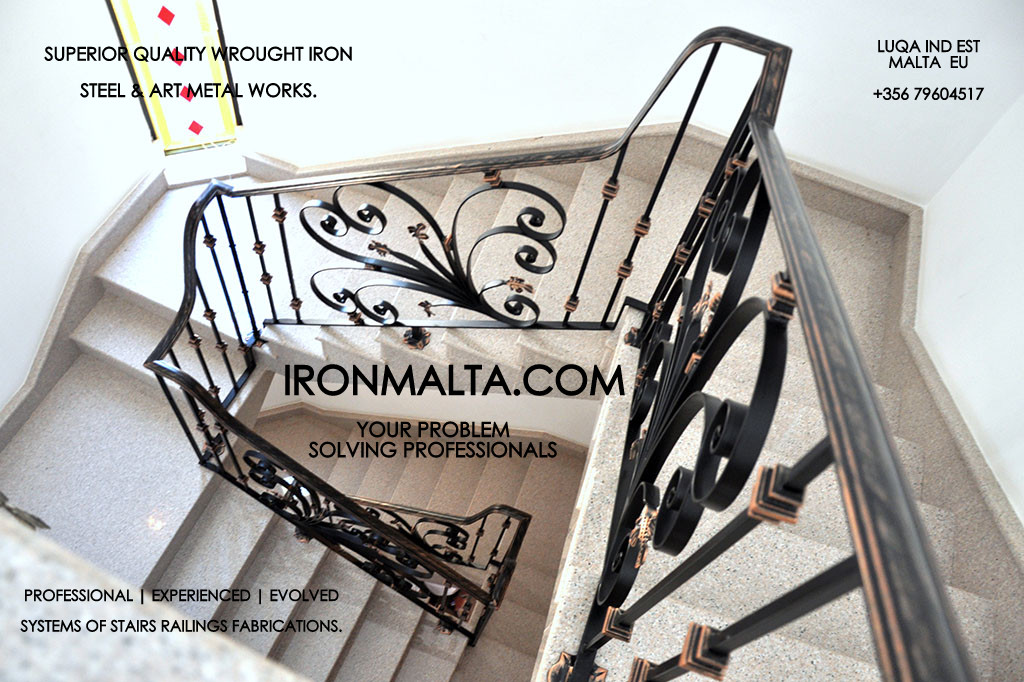
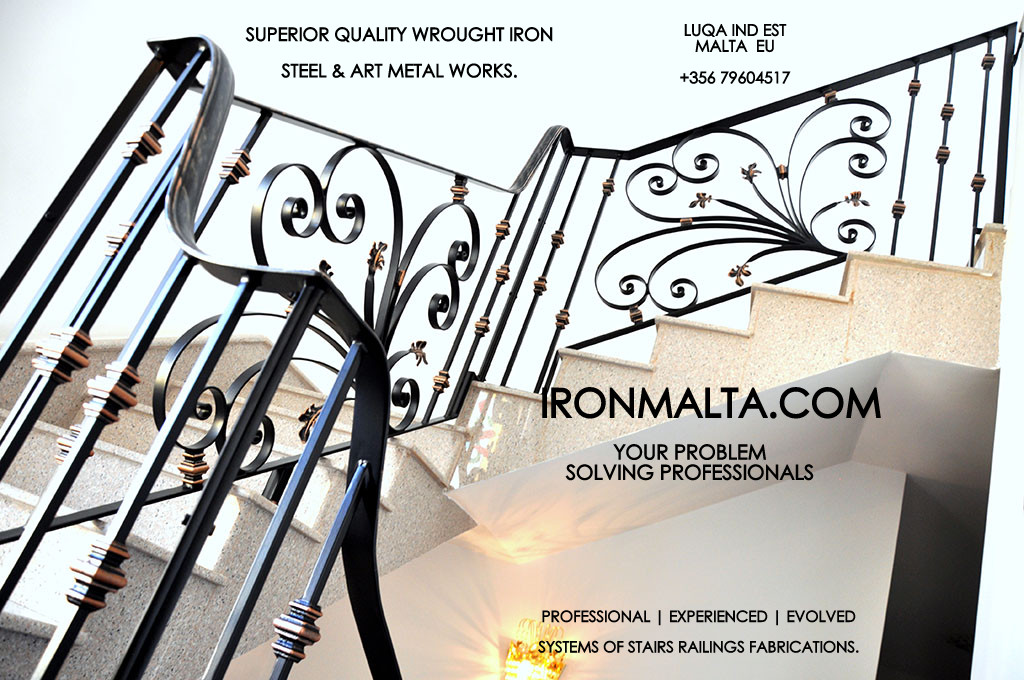
🔹 CONTINUOUS SYSTEM – OUTSIDE FIXED STAIR RAILINGS
A seamless handrail design that runs continuously from the top of the staircase all the way to the bottom, ensuring both safety and aesthetic flow. This uninterrupted connection provides a smooth grip and a polished, cohesive look.
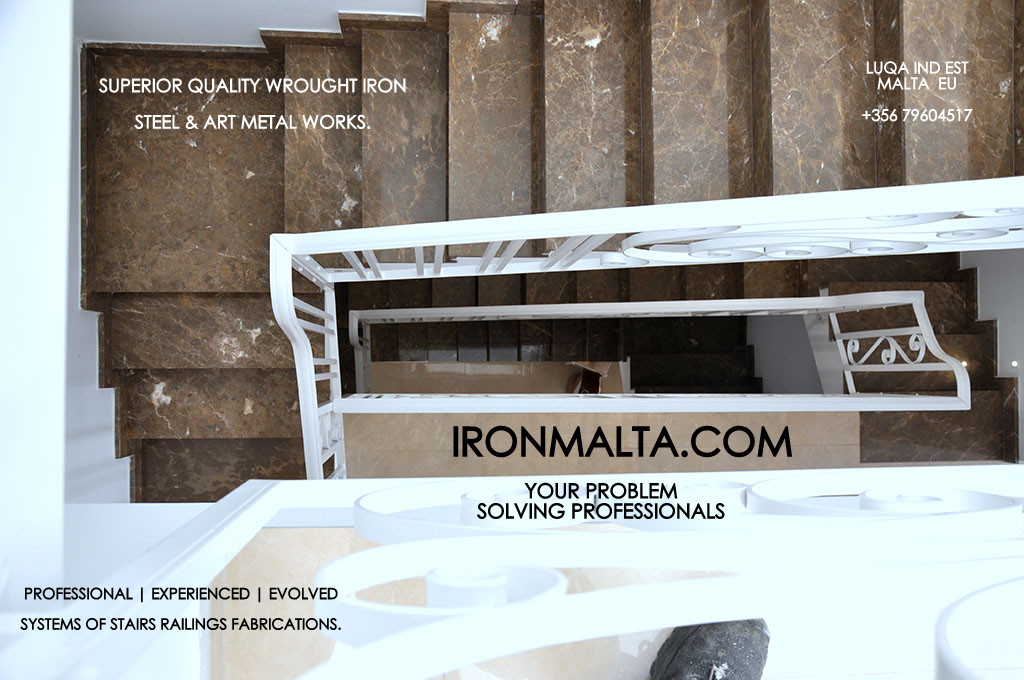
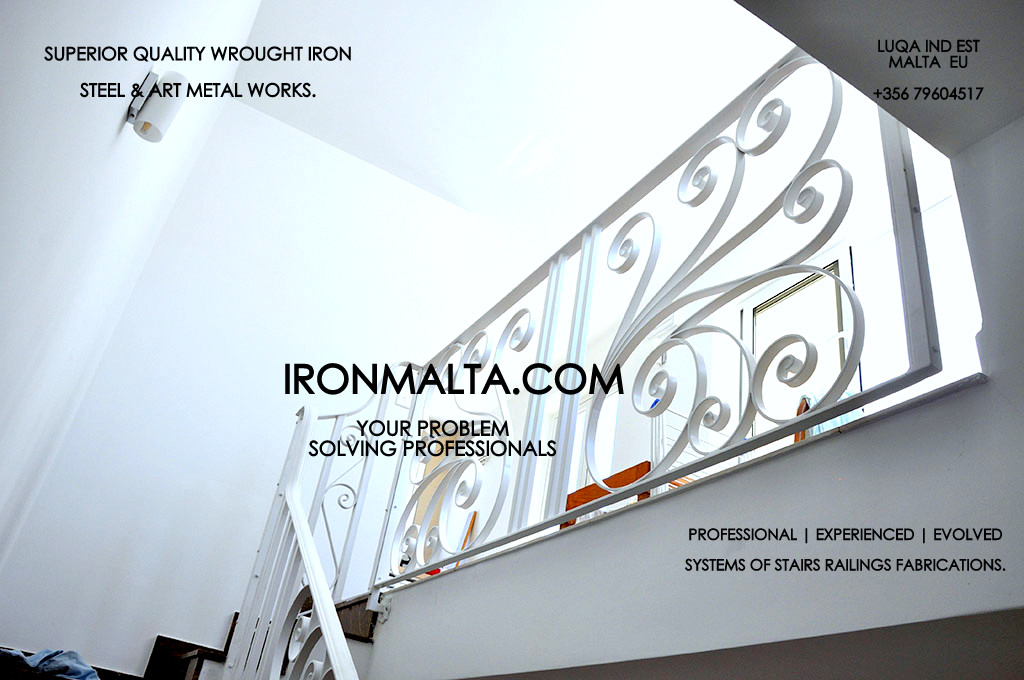
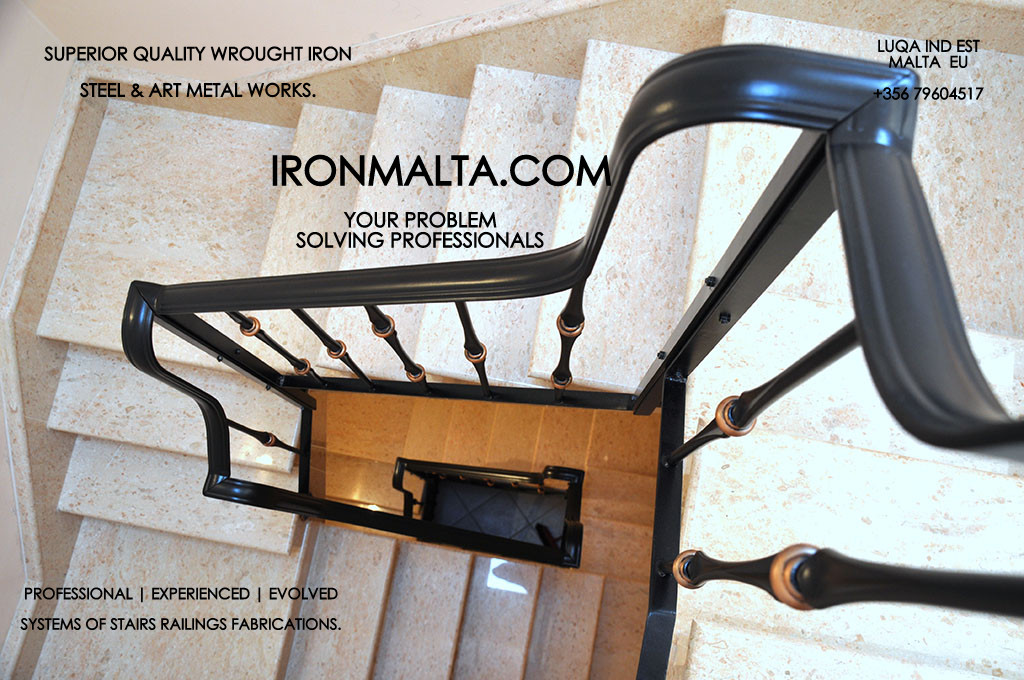
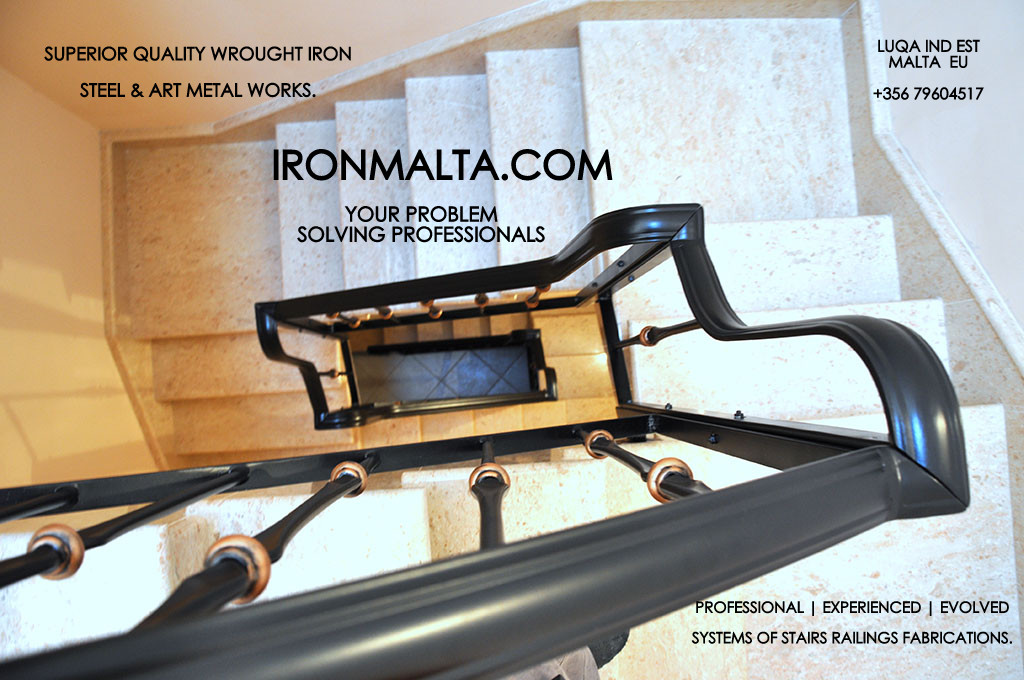
HANDRAIL CONECTED FROM TOP TO BOTTOM.
✅ Key Features:
-
Continuous railing running along the entire outside edge of the staircase.
-
Extremely Strong fixing method.
-
Compatible with a wide range of infill designs and materials.
-
Enhances safety while maintaining stylish aesthetics.
🔹 Side-Mount / Fascia-Mount: to the marble, concrete, tile, other surface materials, etc.
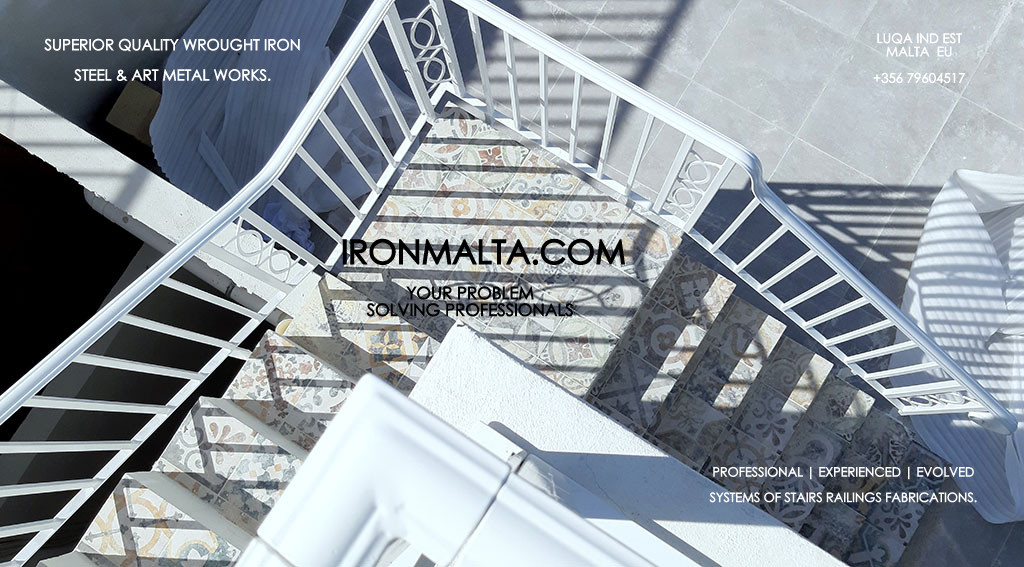
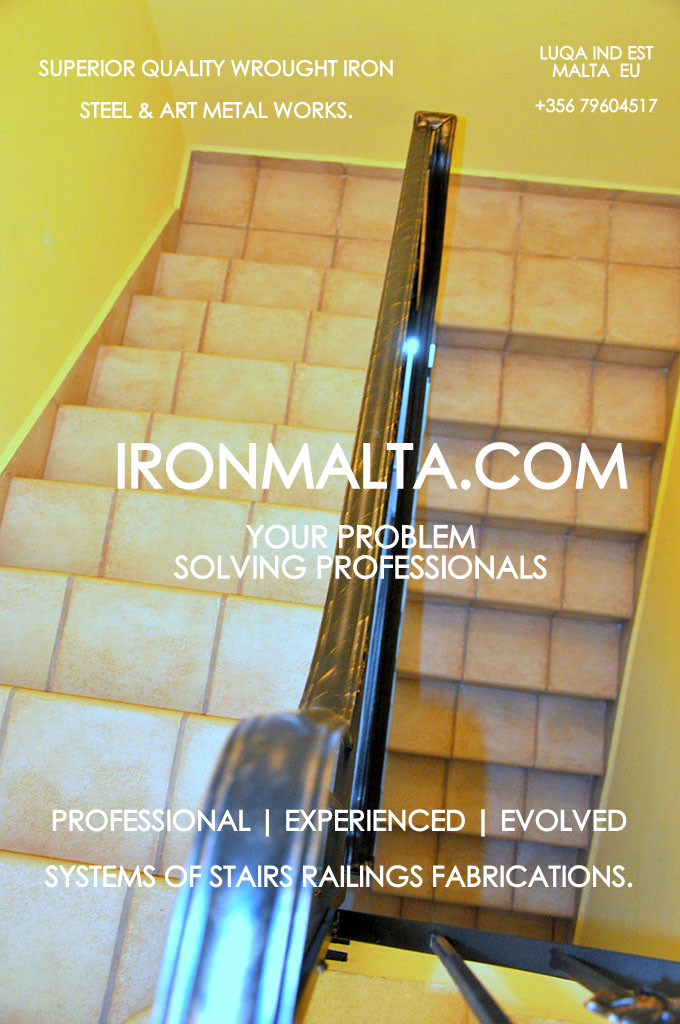
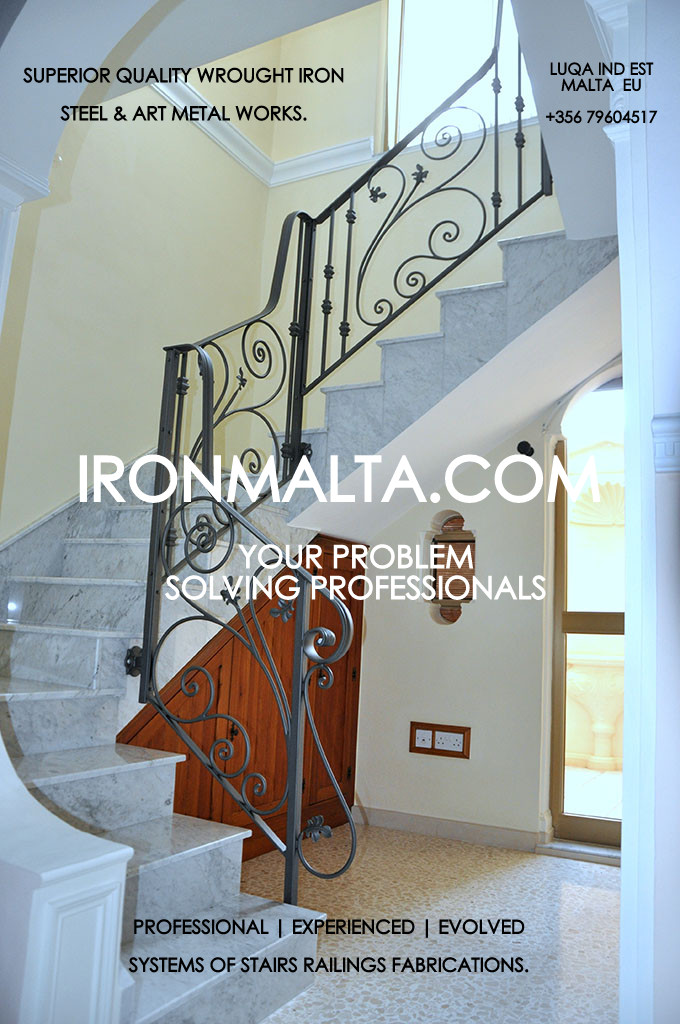
INDIVIDUAL SYSTEM – INSIDE FIXED STAIR FRAME RAILINGS.
This system features separately fixed railing frames attached individually along the inside edge of each stair. Ideal for customizable and modular designs, it offers flexibility in style and installation while maintaining strong support and safety.
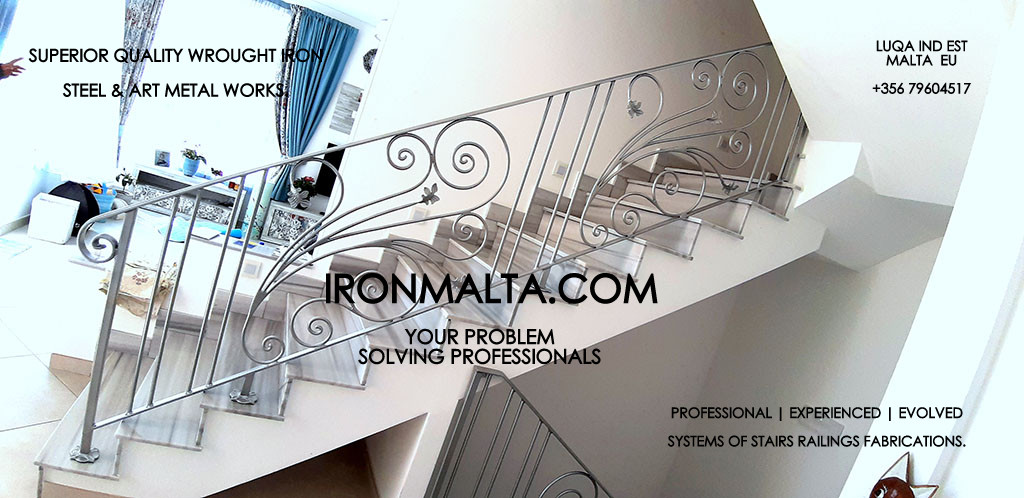
HANDRAIL (NOT CONECTED) FROM TOP TO BOTTOM.
✅ Key Features:
- Railing frames fixed individually on each stair’s inside edge
- Allows for tailored spacing and design options
- Strong and secure mounting for each frame
- Suitable for various infill materials and styles
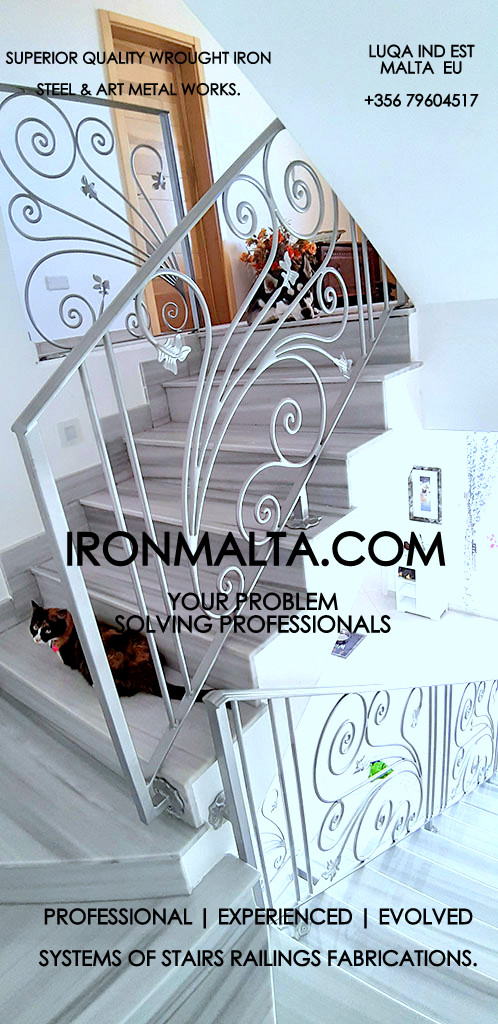
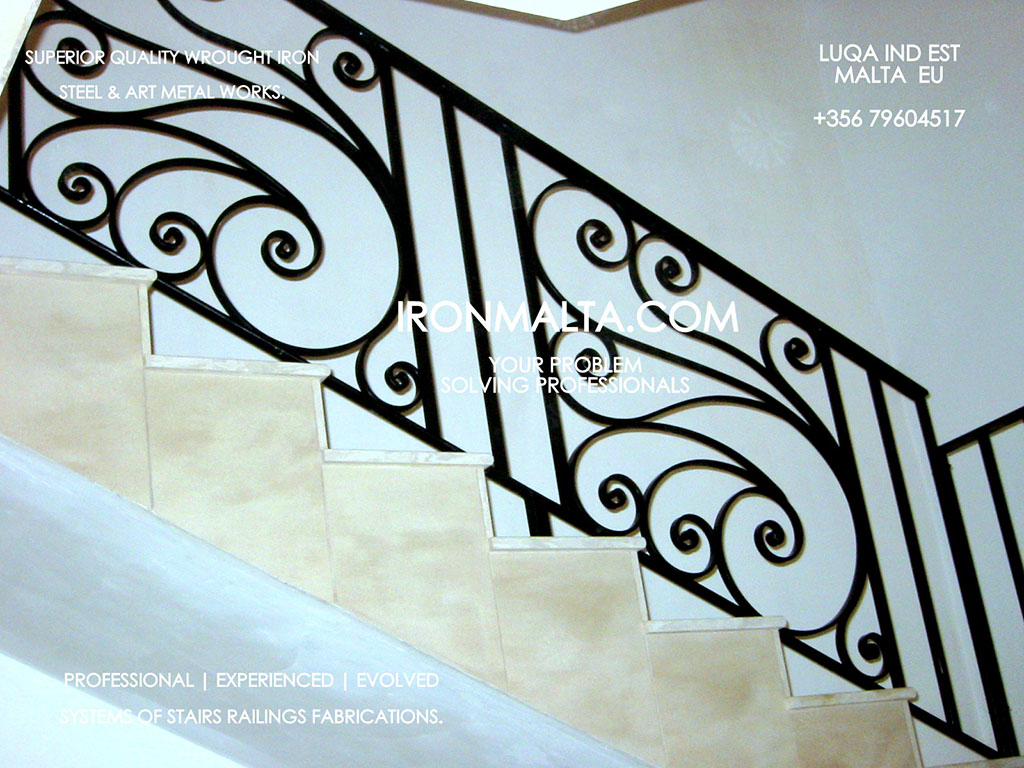
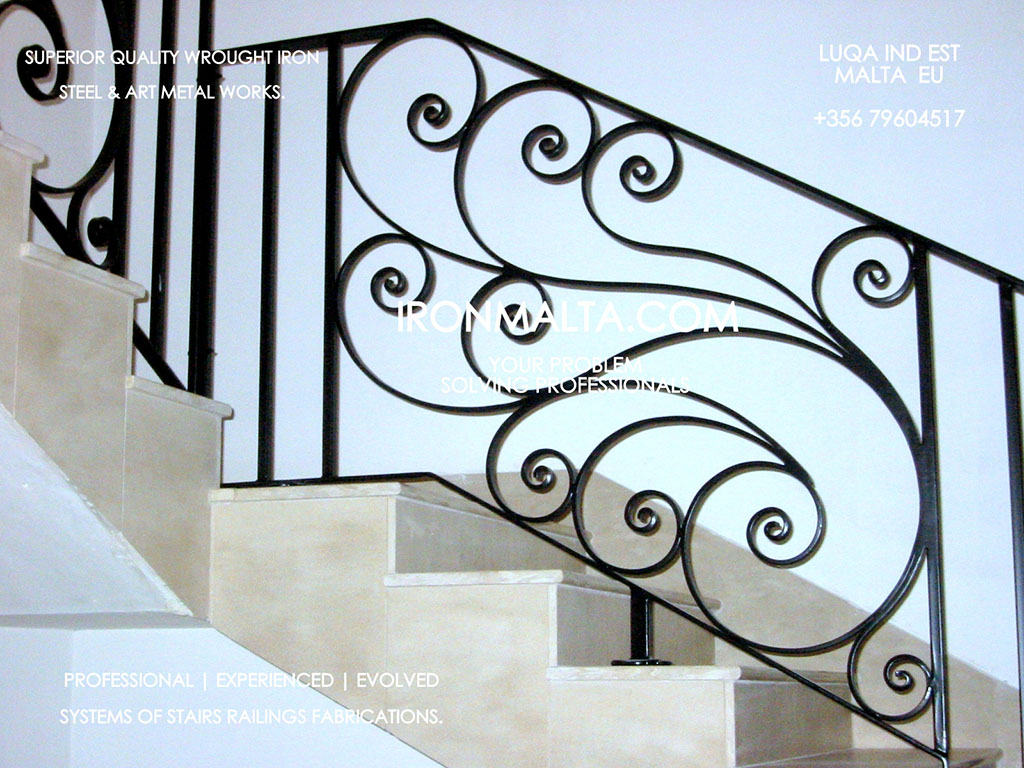
INDIVIDUAL SYSTEM – OUTSIDE FIXED STAIR FRAME RAILINGS.
This system consists of separately mounted railing frames fixed individually along the outside edge of each stair. It offers flexibility in design and installation while providing robust support and a distinct visual appeal.
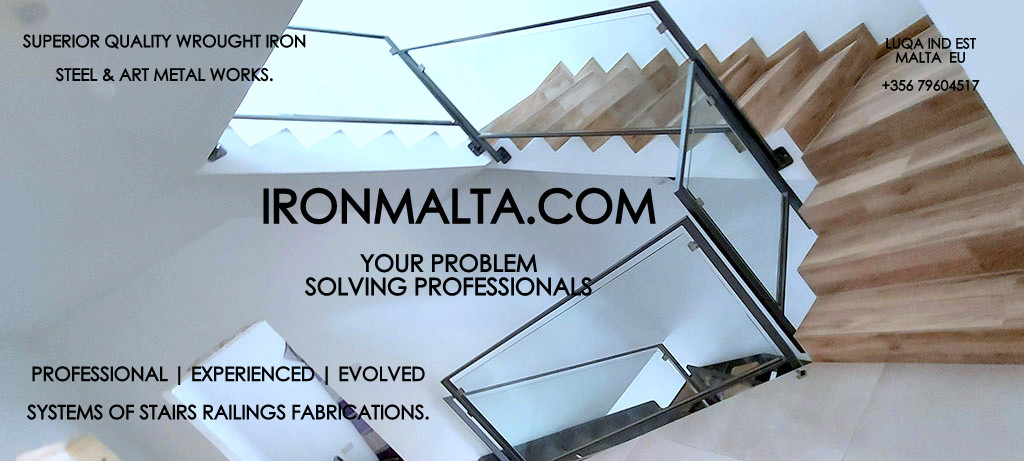
HANDRAIL (NOT CONECTED) FROM TOP TO BOTTOM.
✅ Key Features:
-
Railing frames fixed individually on the outside edge of each stair
-
Customizable spacing and design possibilities
-
Strong, secure mounting for each frame
-
Compatible with a variety of infill materials and styles
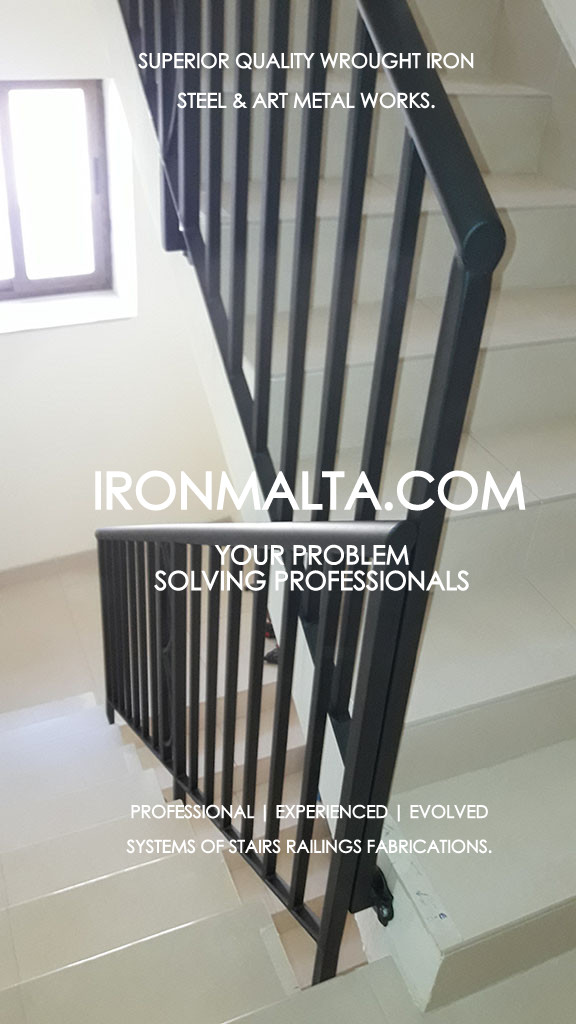
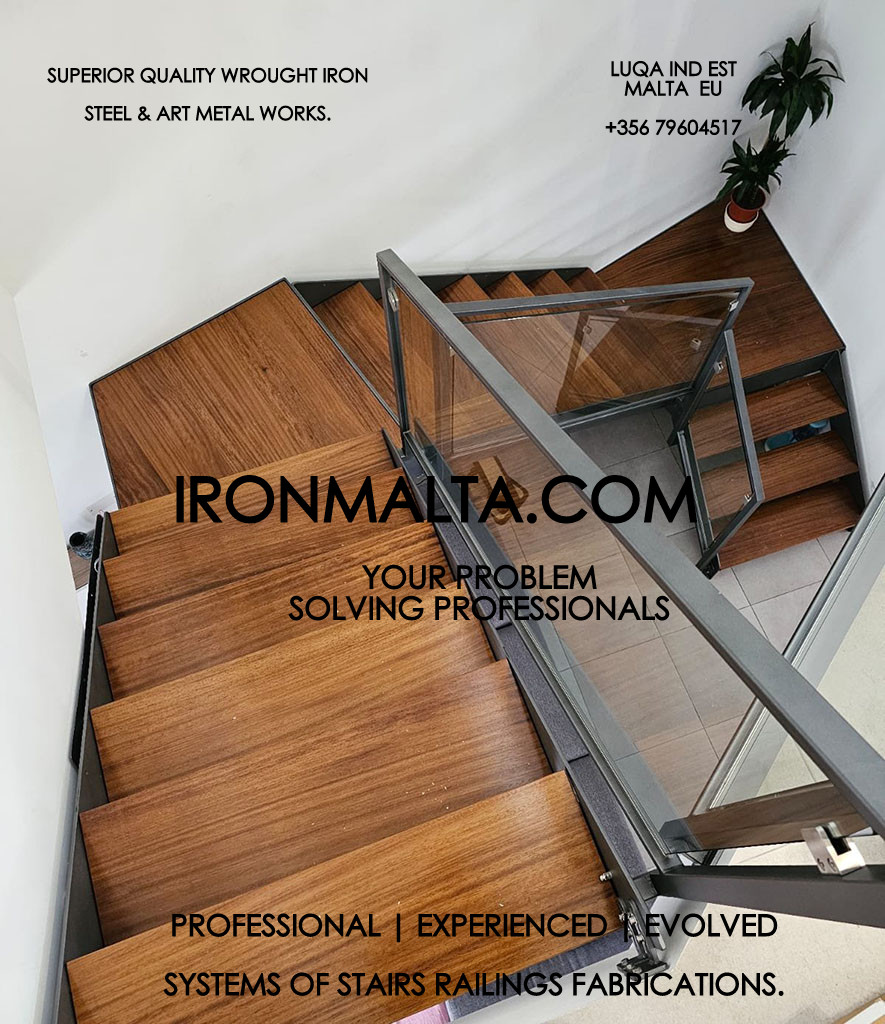
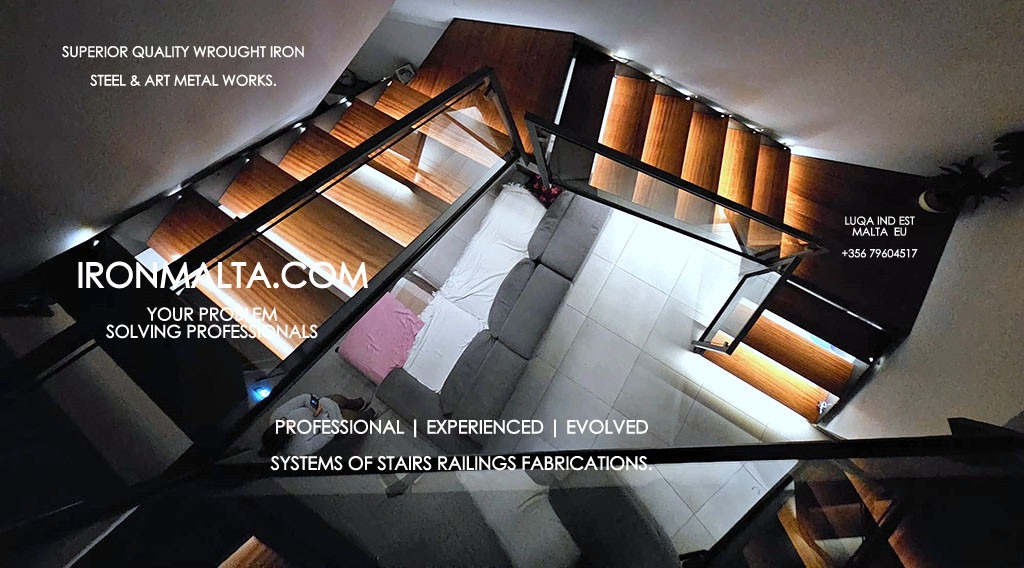
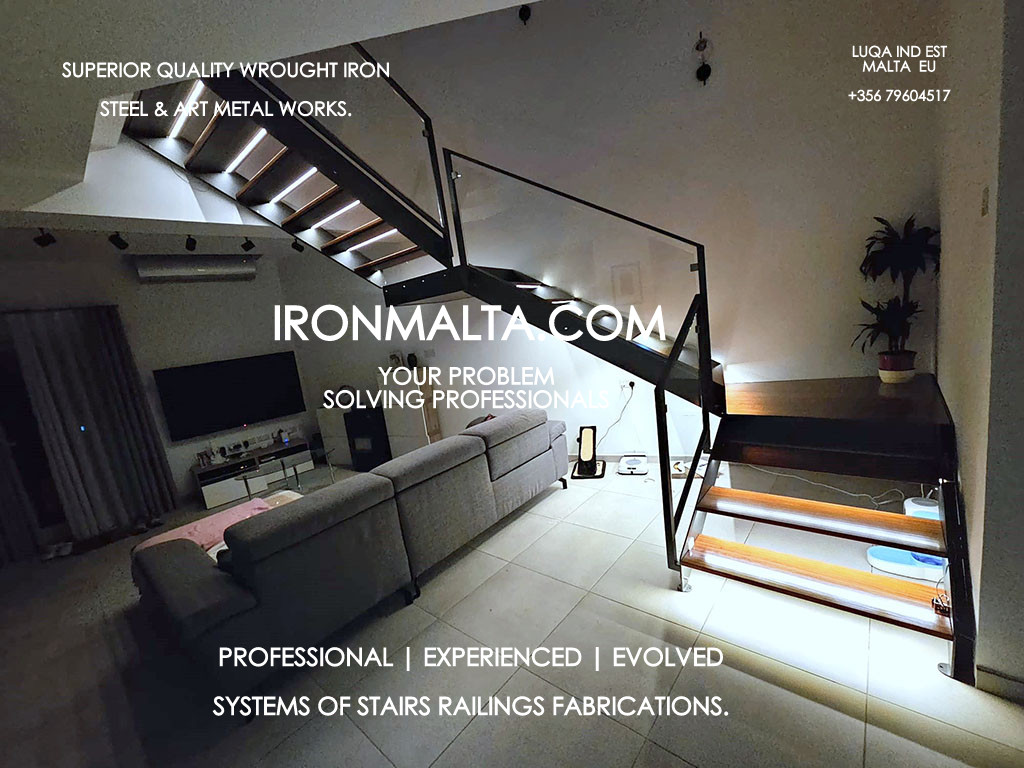
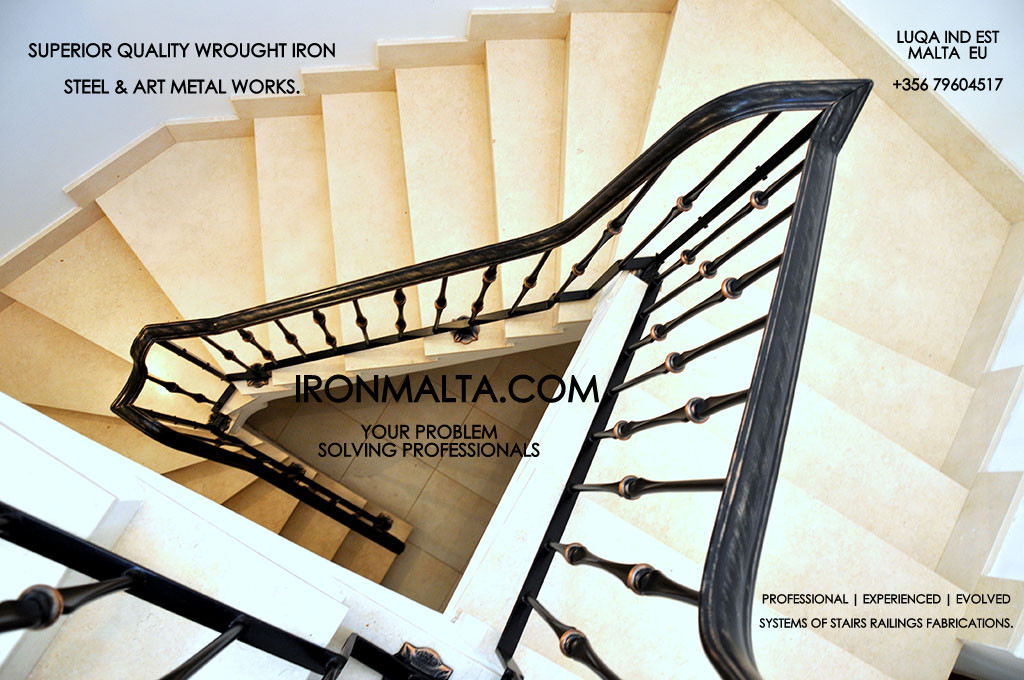
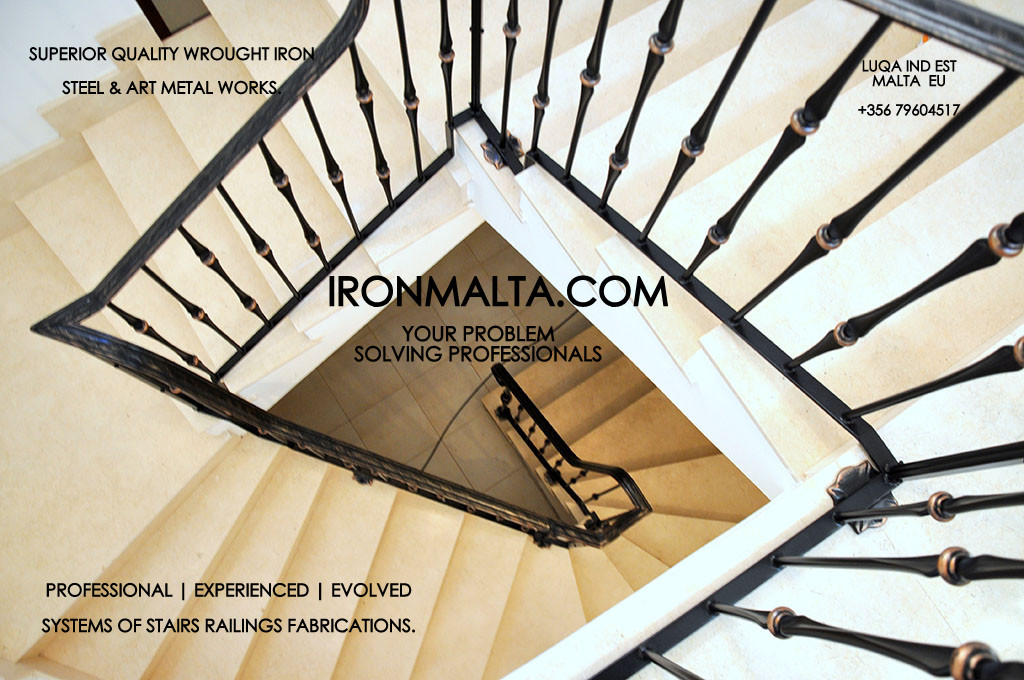
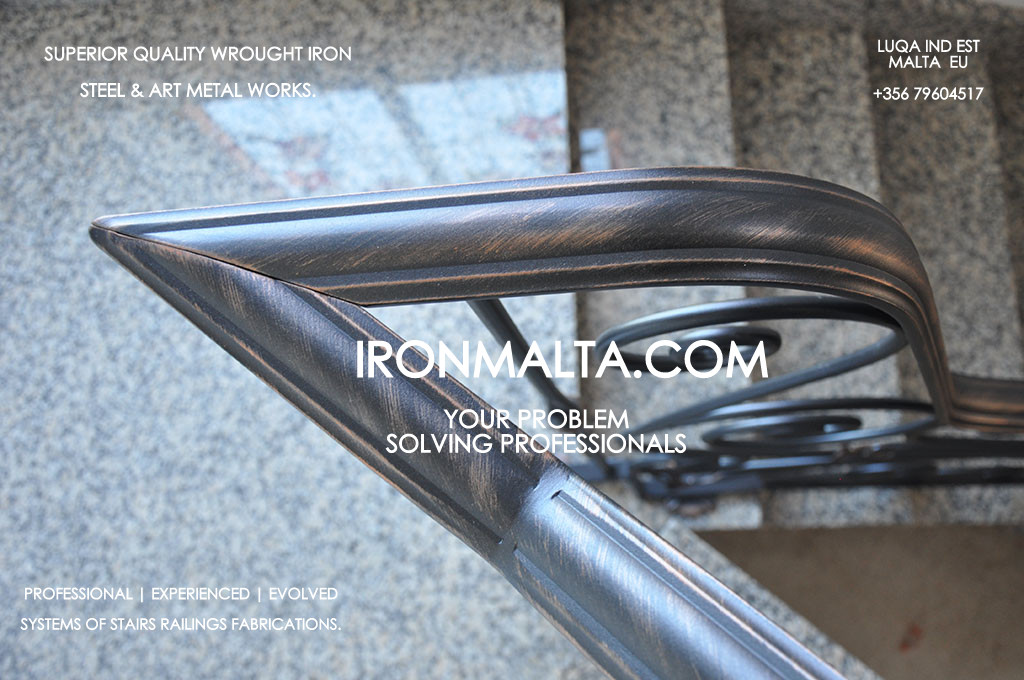
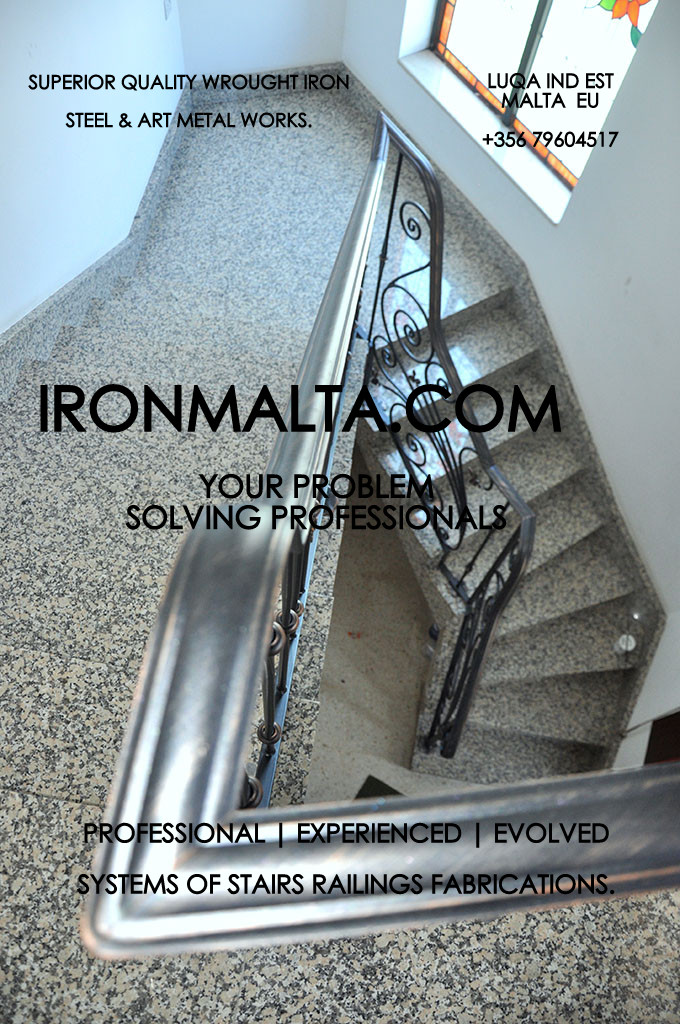
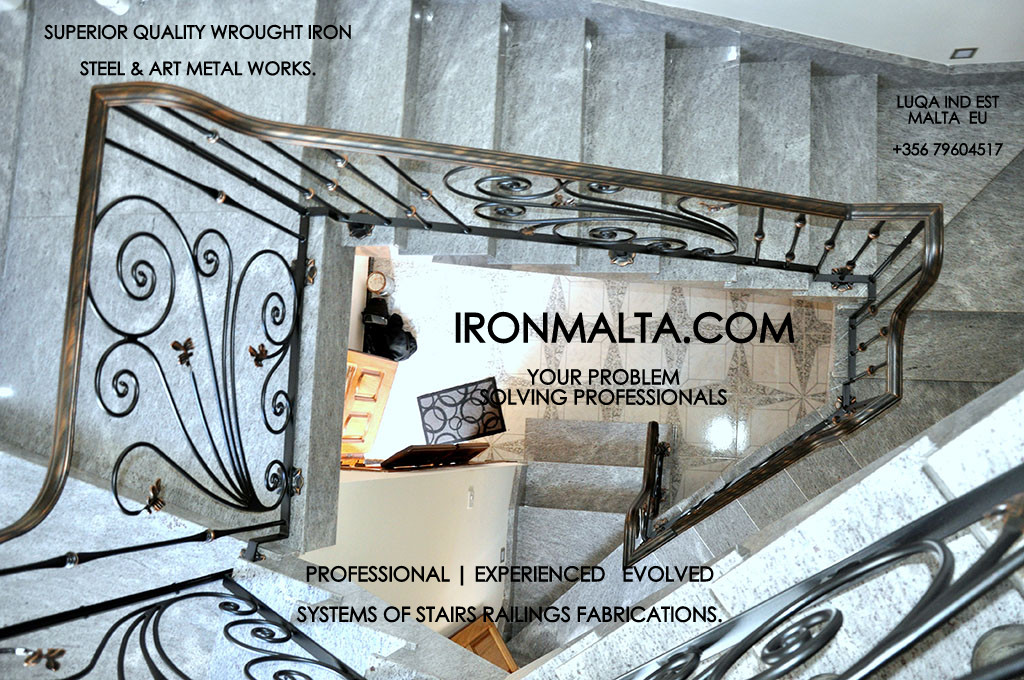
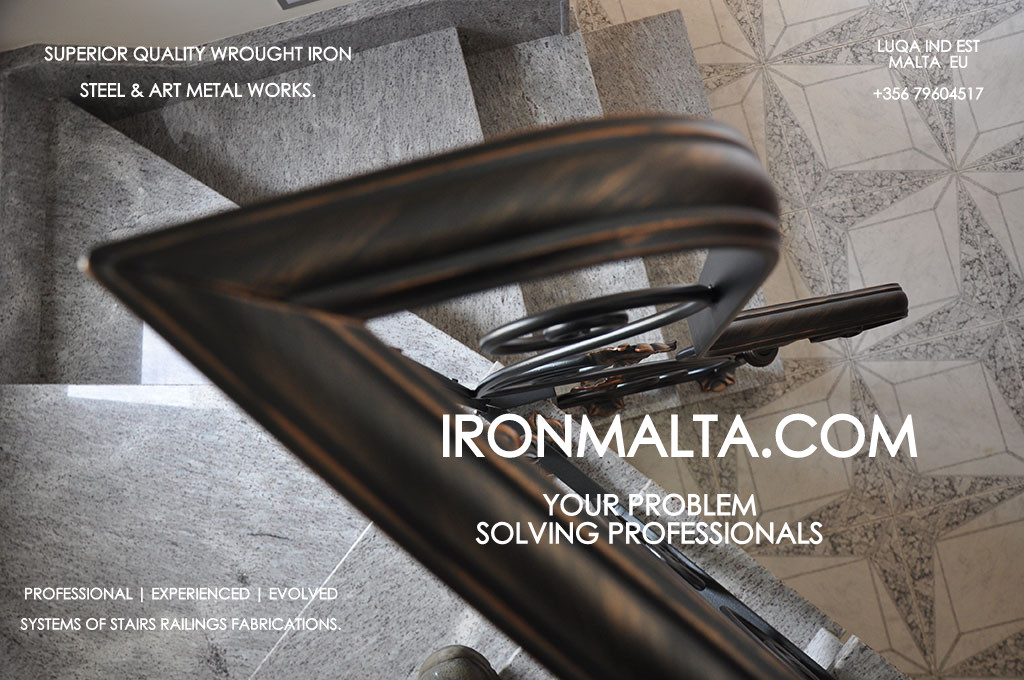
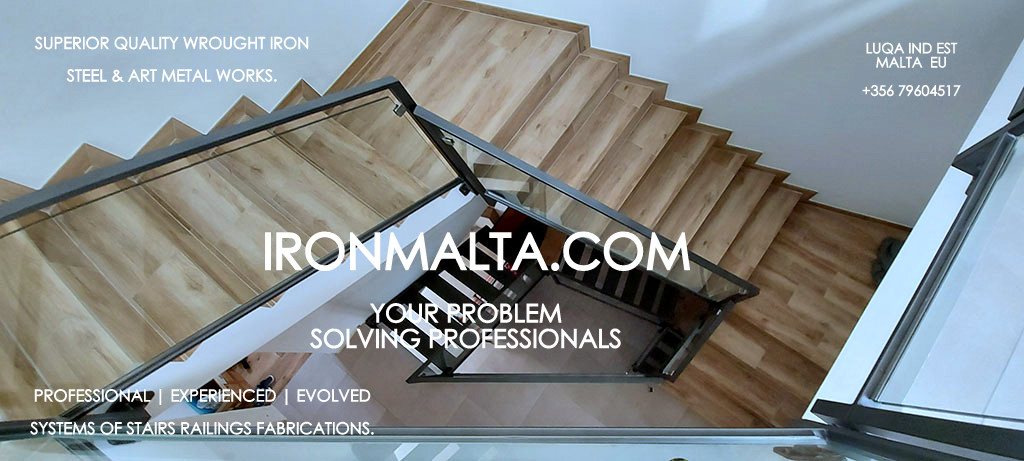
Gain a deeper understanding of stair railing systems, frame structures, and proper mounting techniques. This essential guide is designed to enhance and improve your knowledge in a smart, efficient way—empowering you to make well-informed decisions during your project planning.
💡 Whether you’re in the early stages of design or exploring the best-fit solutions, this resource will serve as your foundation.
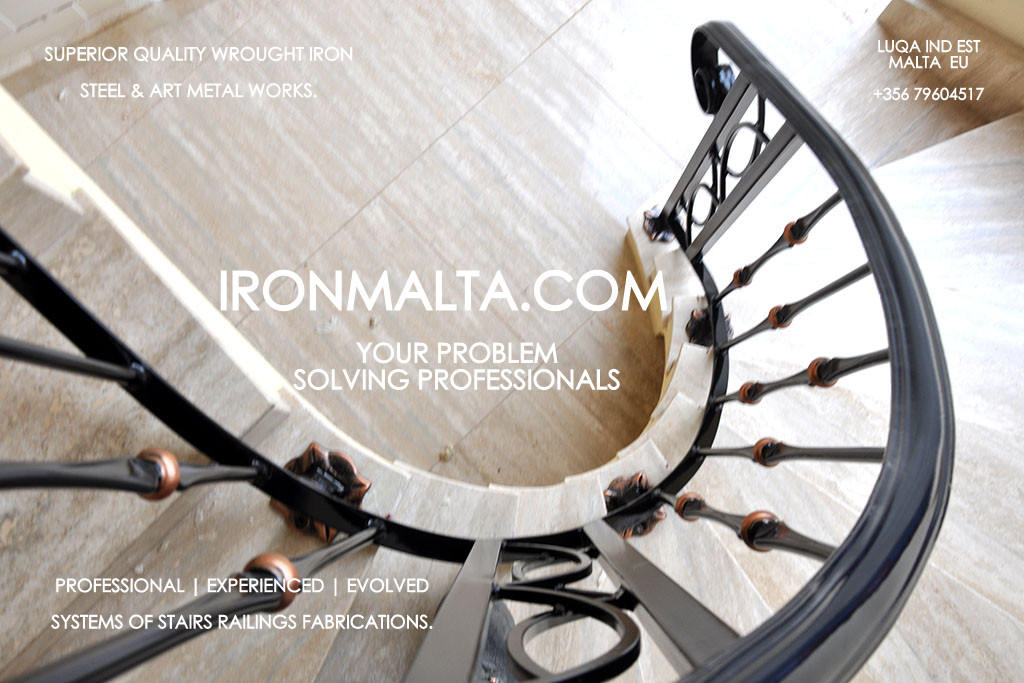
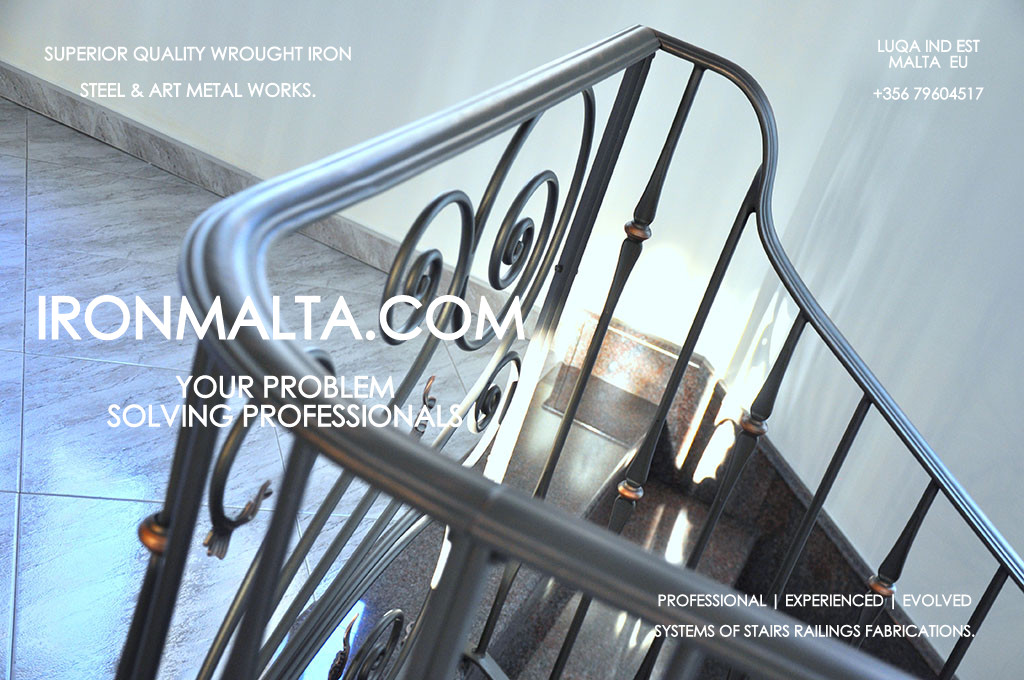
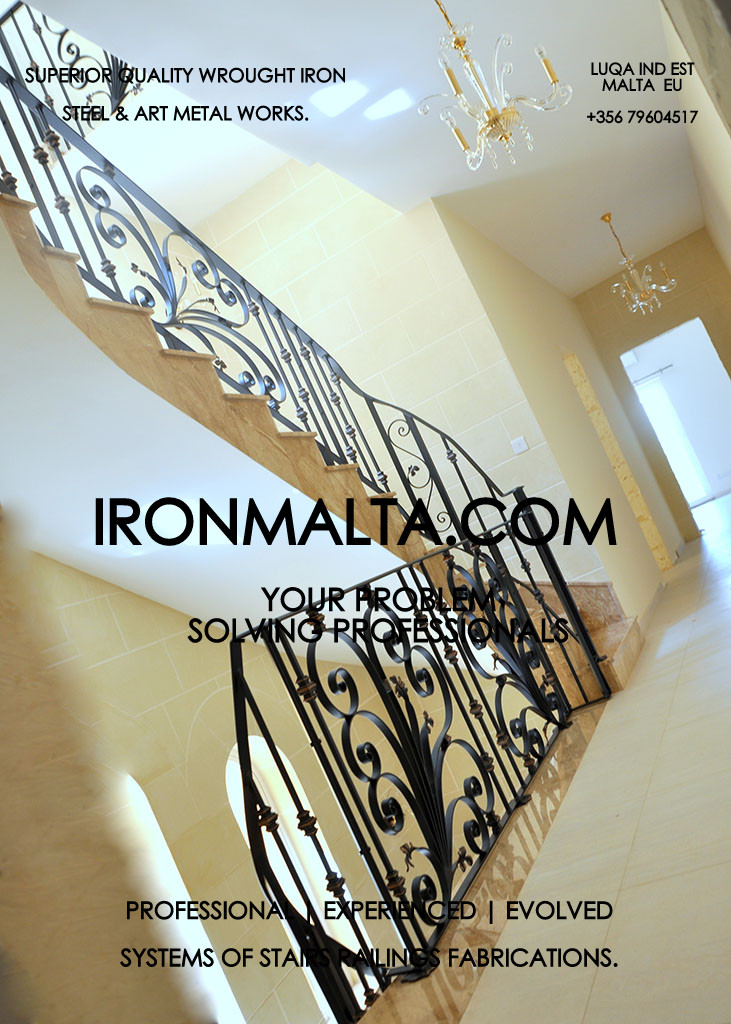
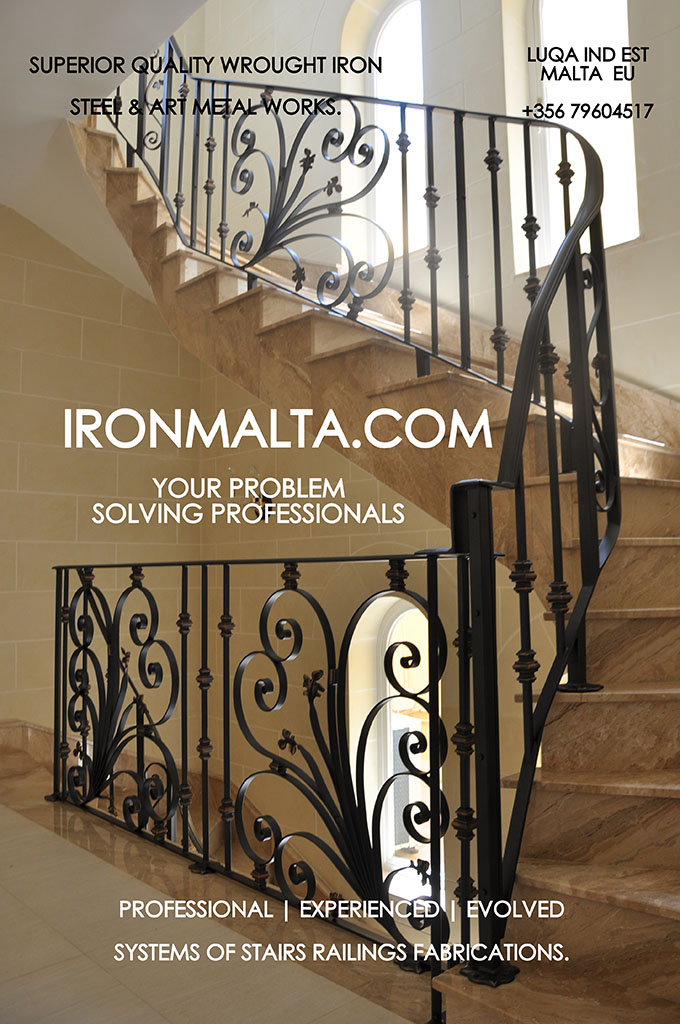
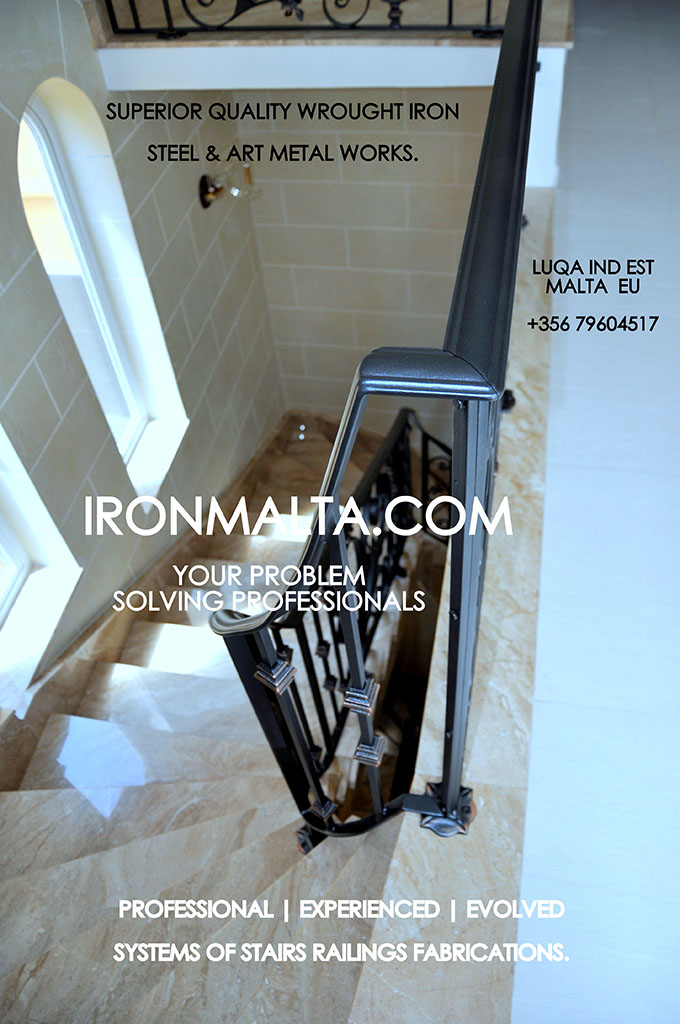
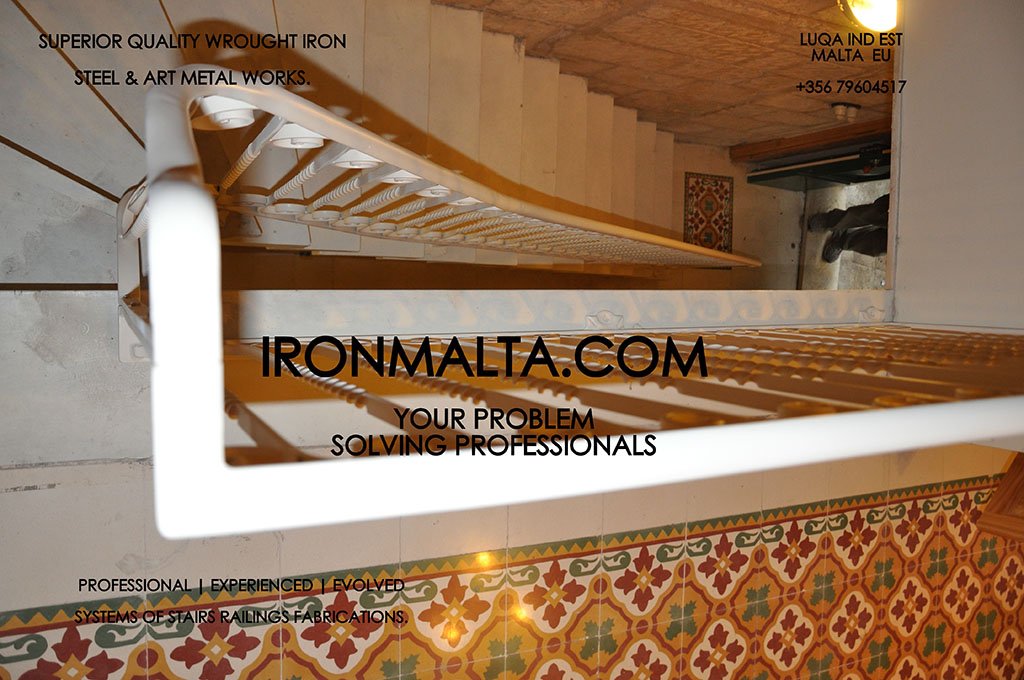
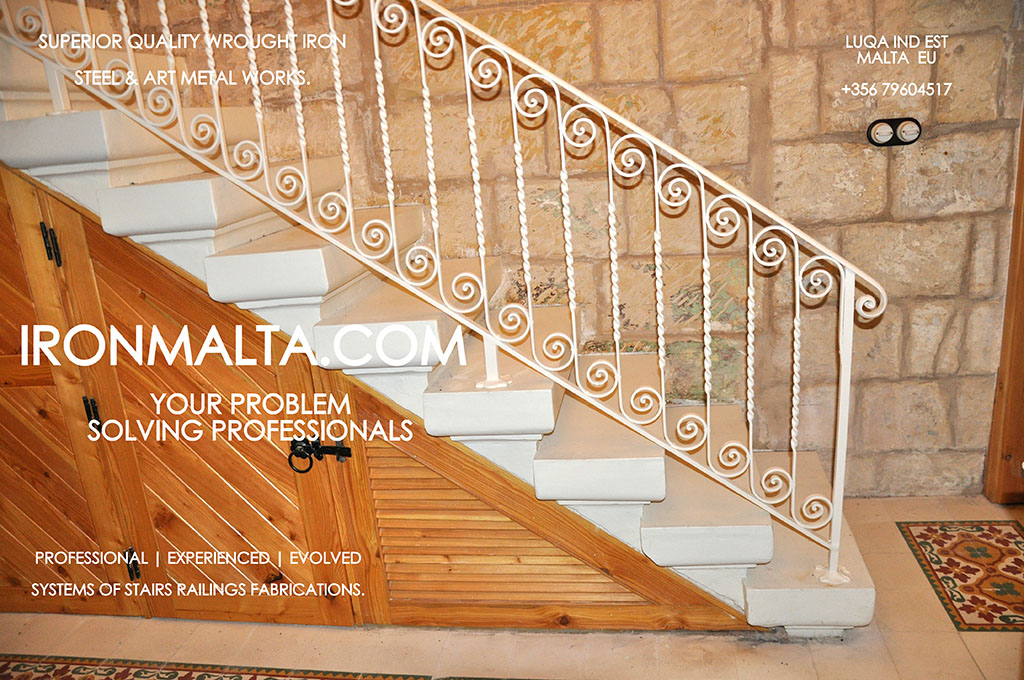
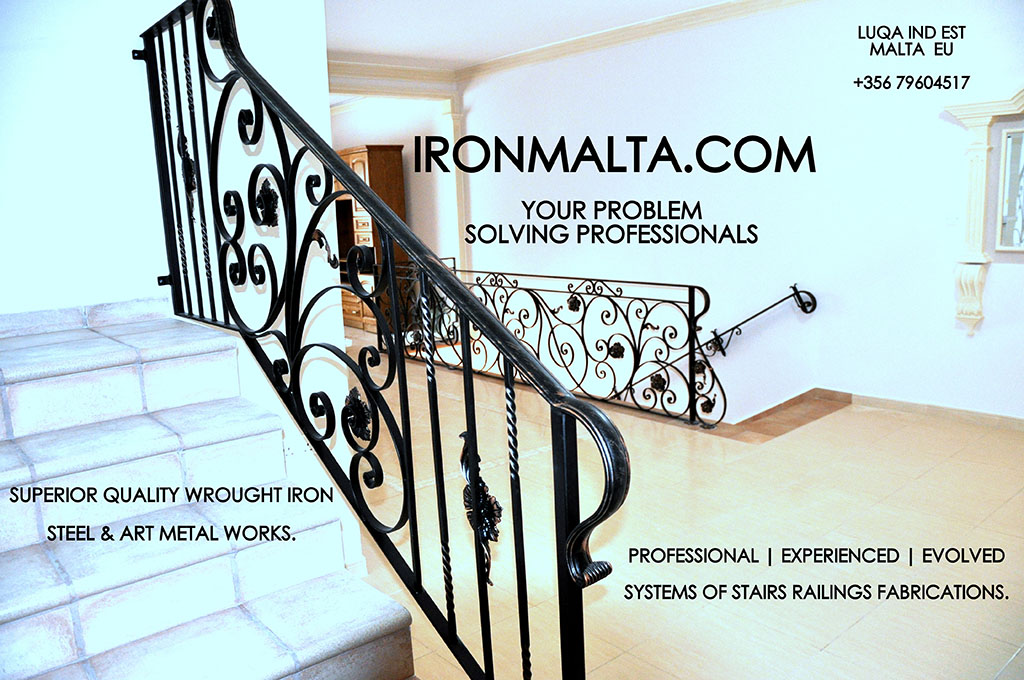
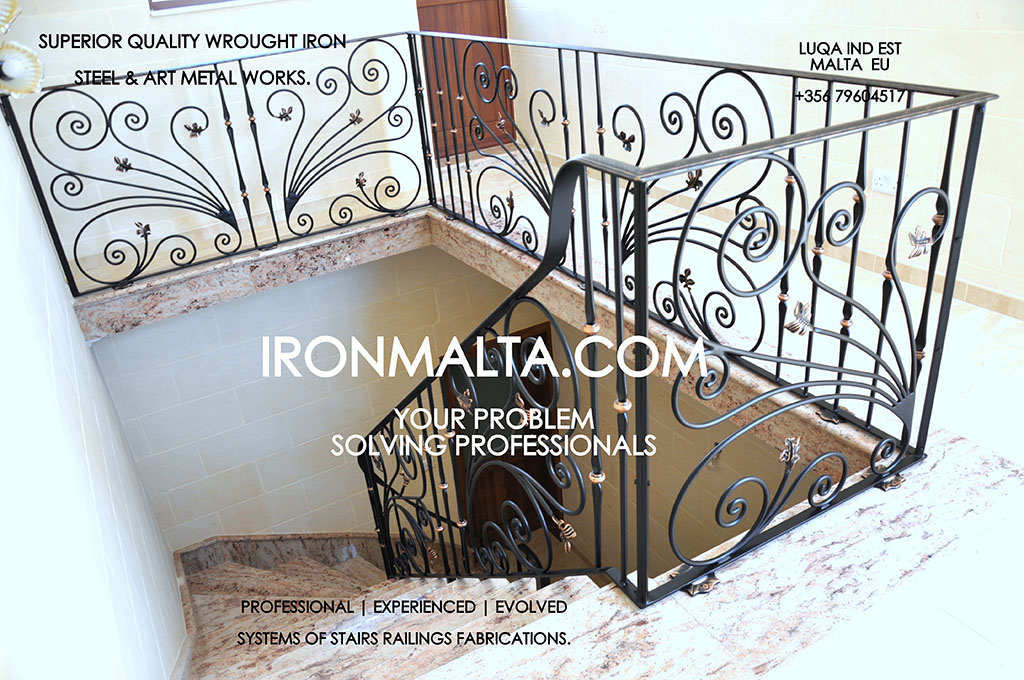
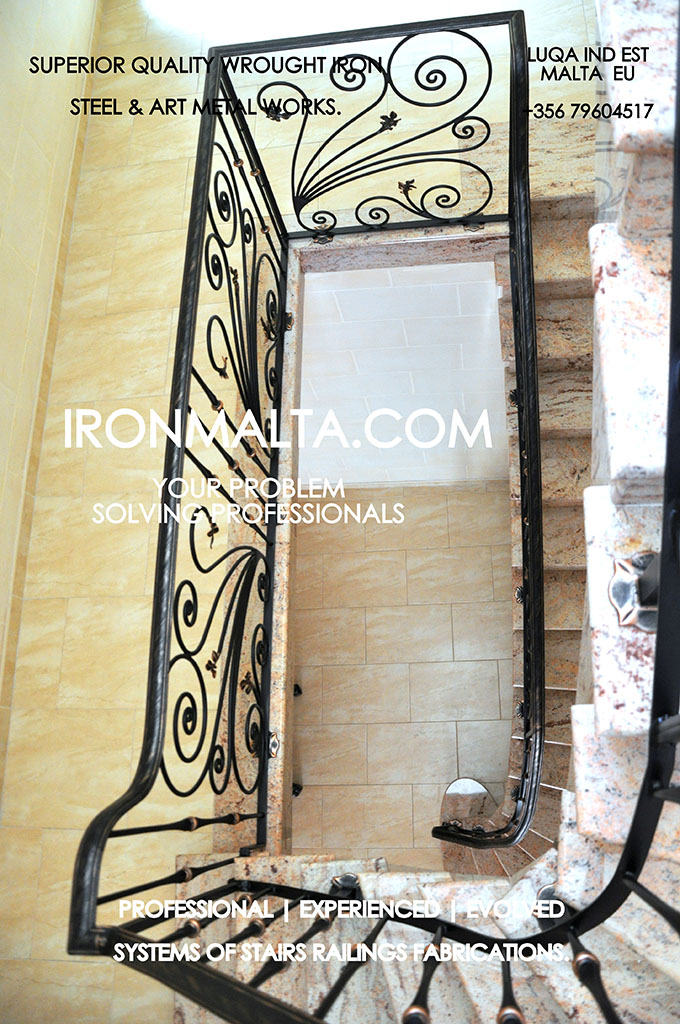
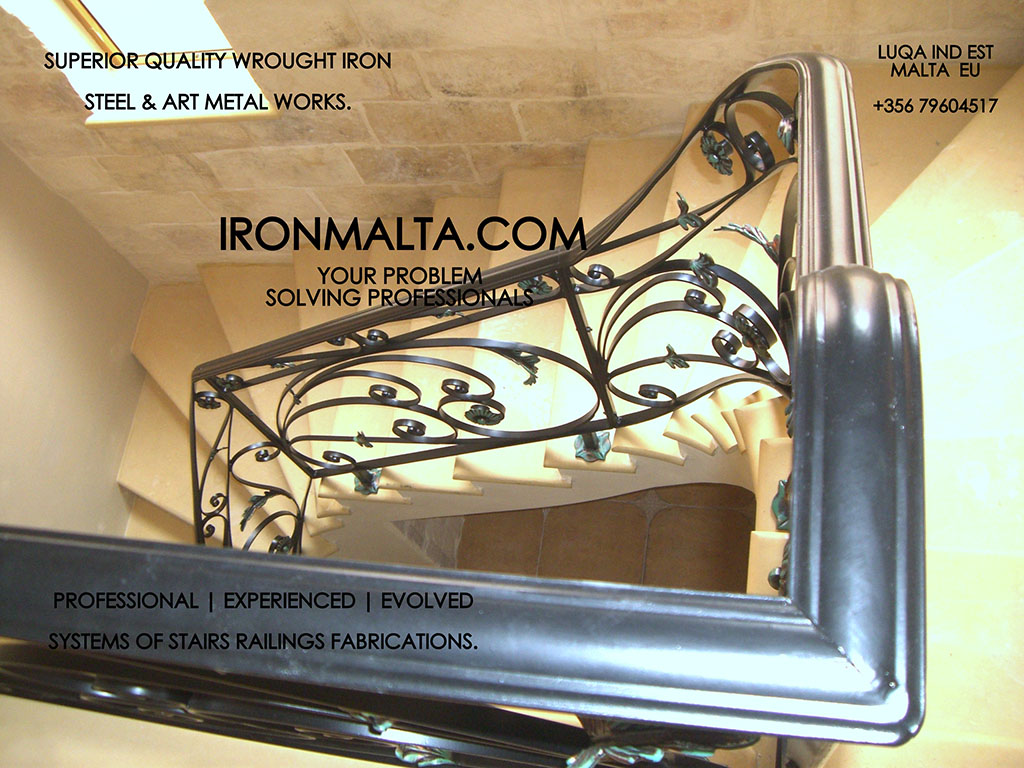
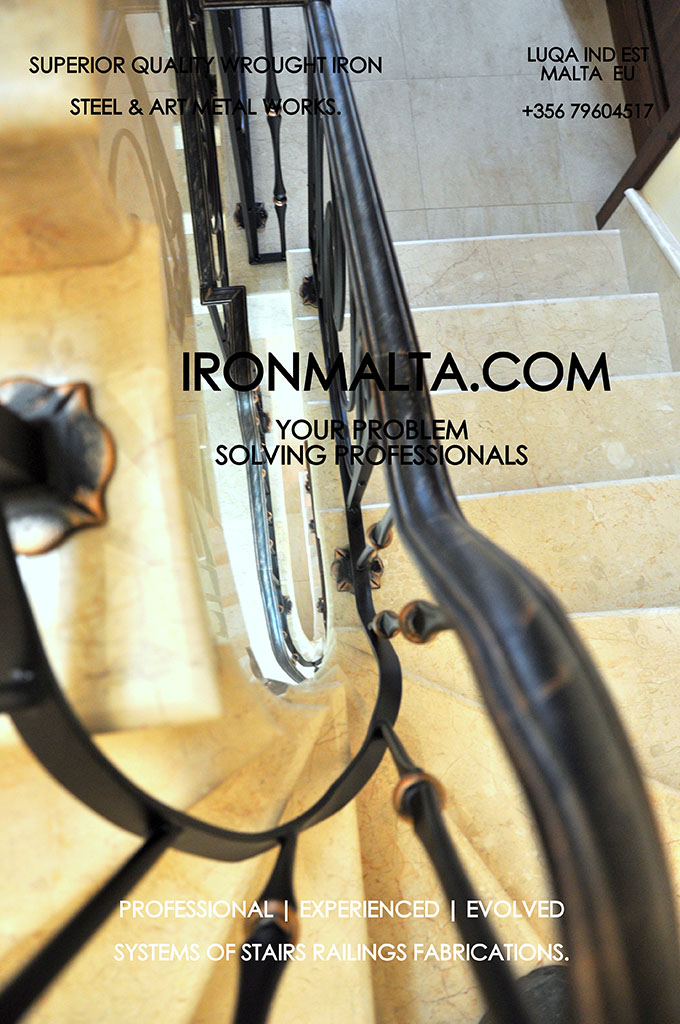
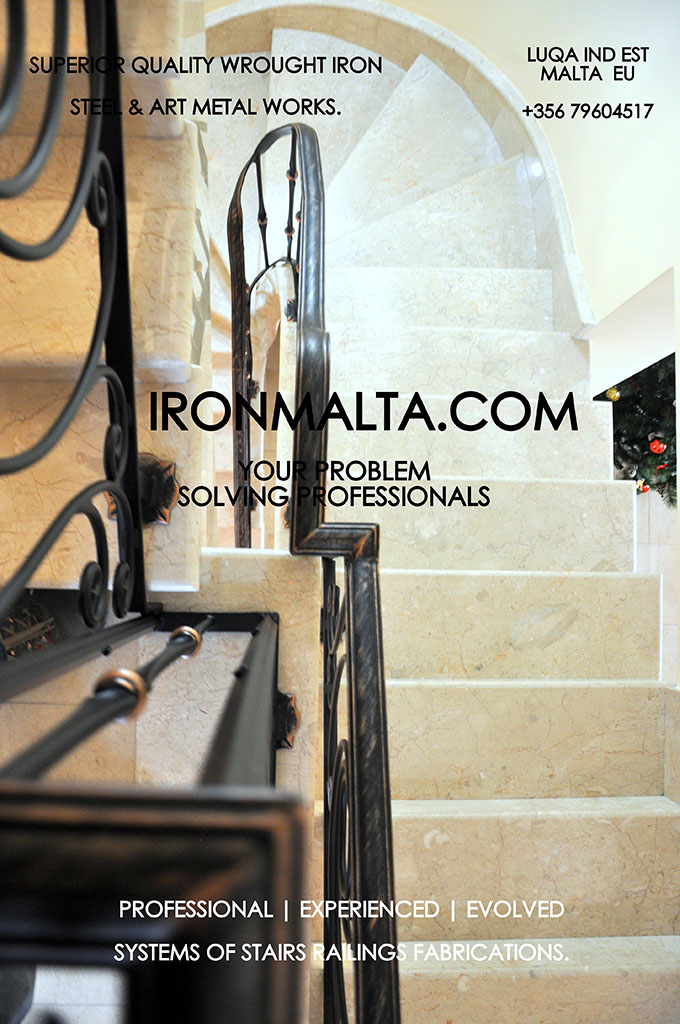
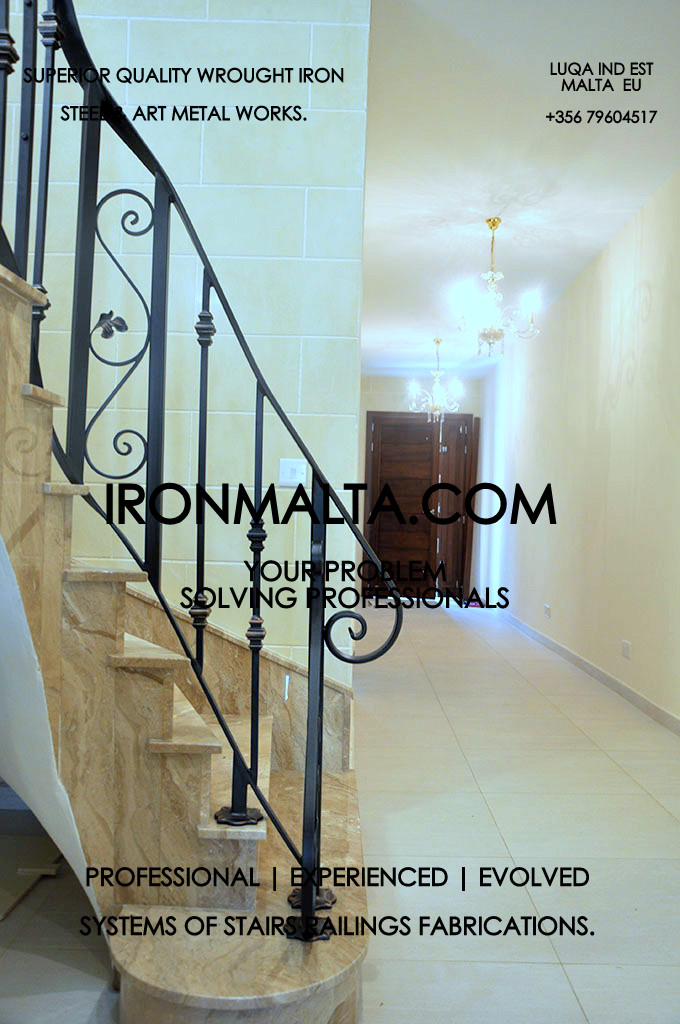
CURVED TO PERFECTION.
Featuring a smooth, clean bending procedure executed with professional fabrication techniques, this system combines elegant curves with precise craftsmanship to bring both beauty and a unique character to your stair railings.
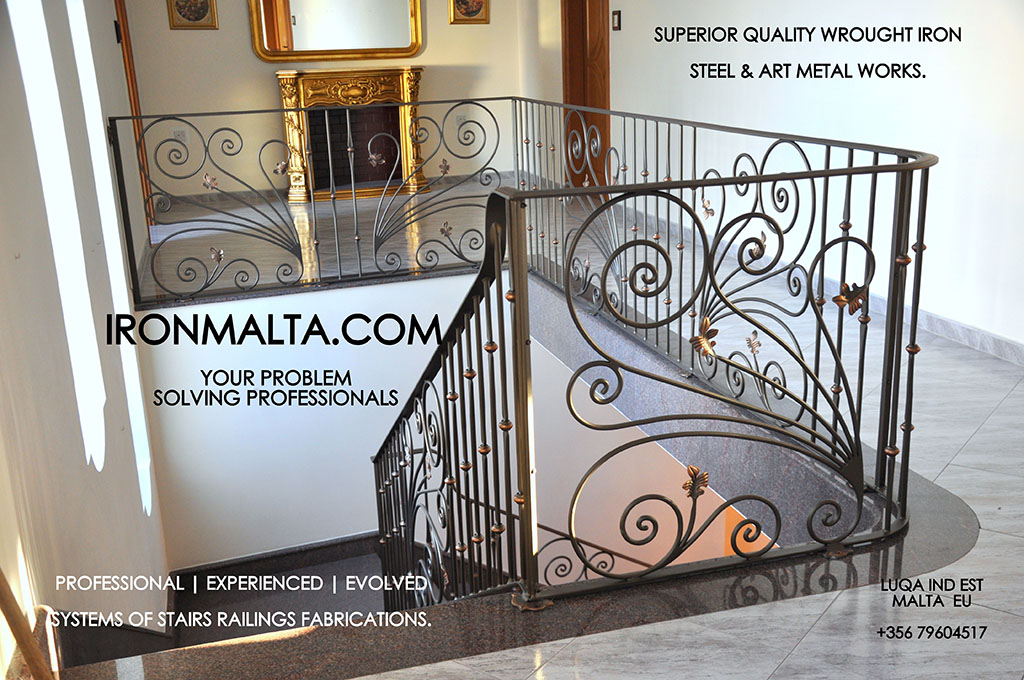
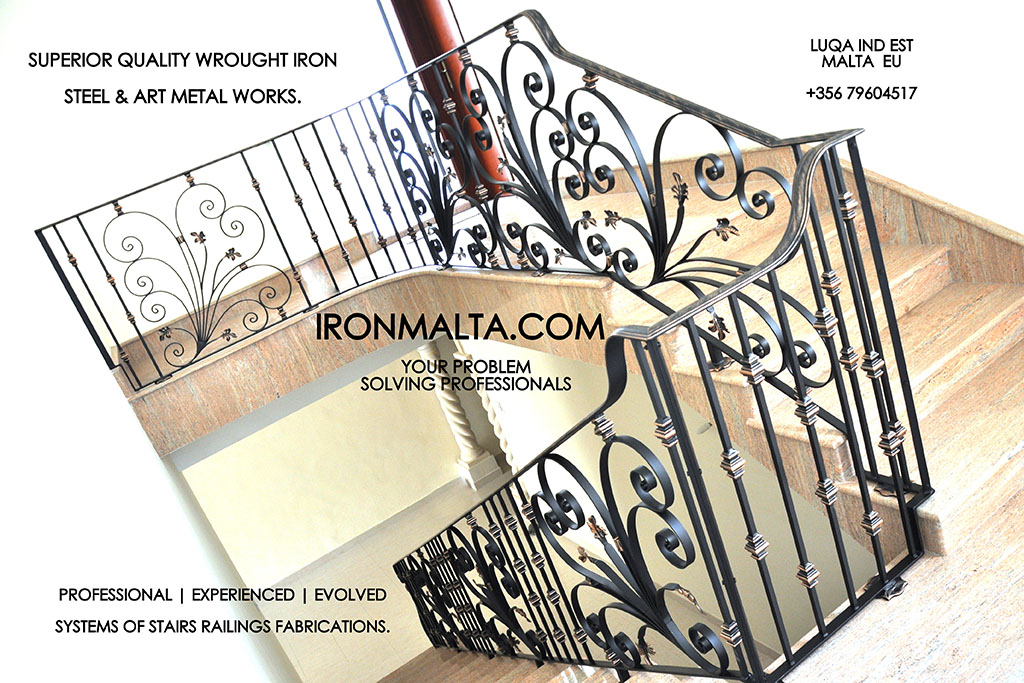
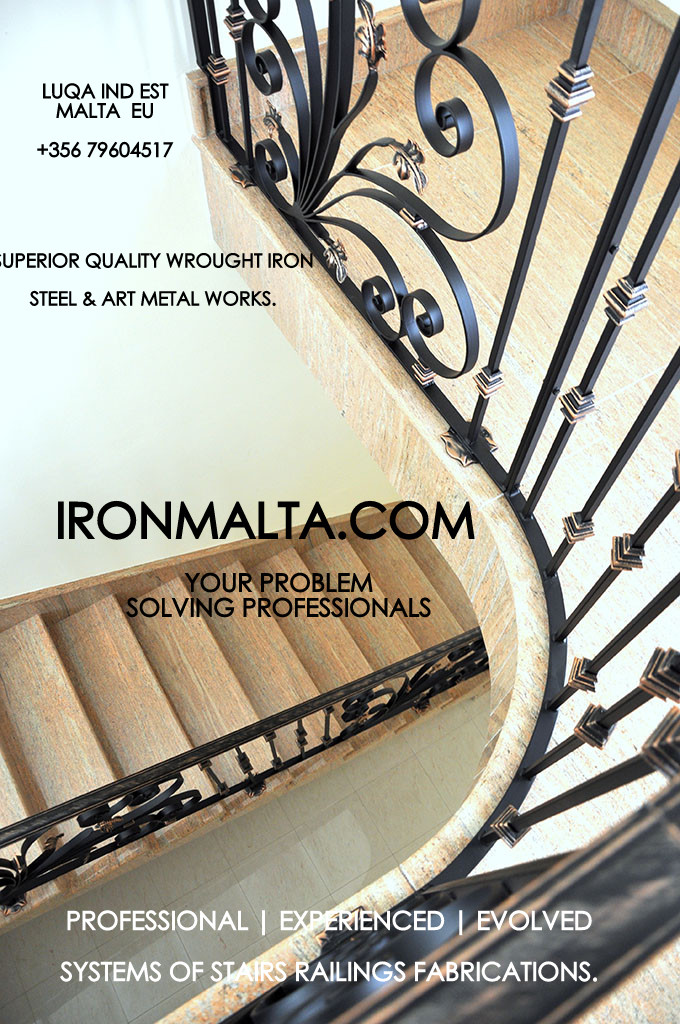
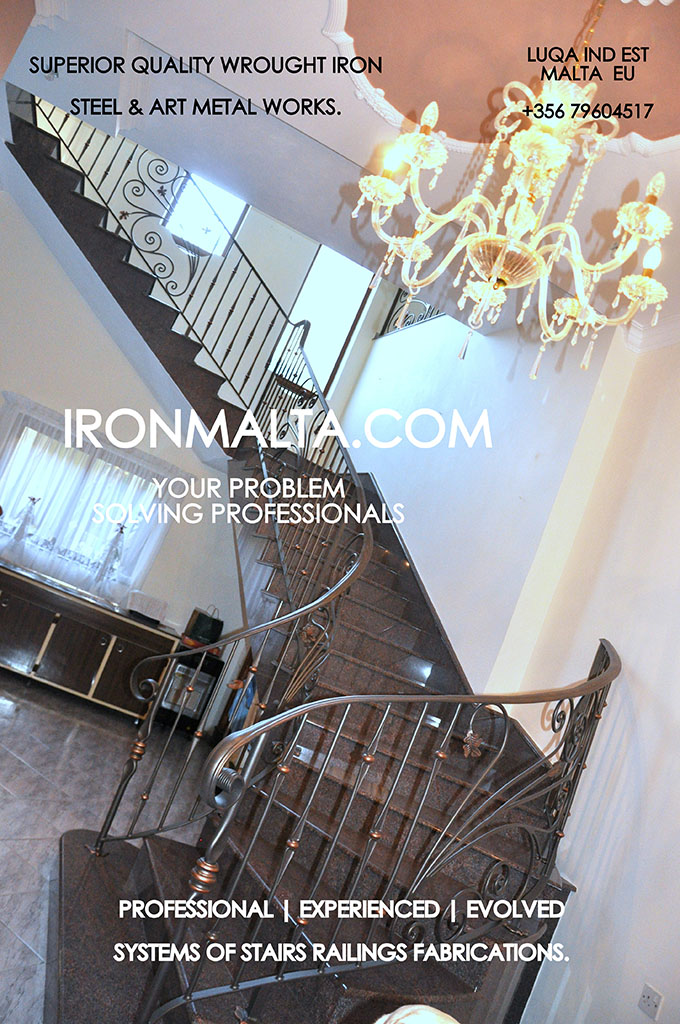
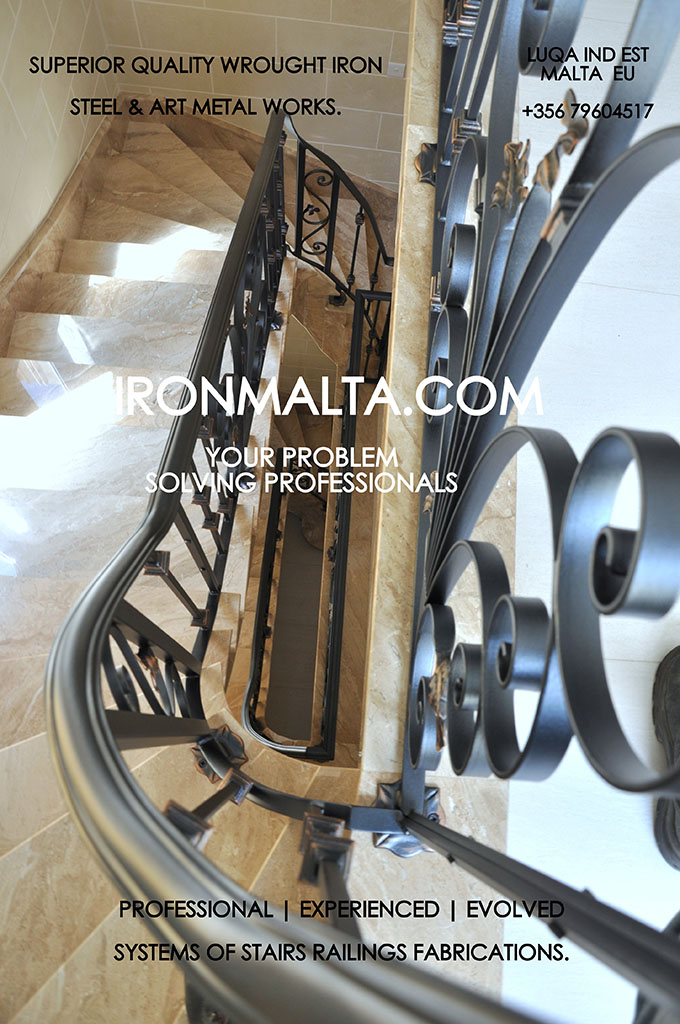
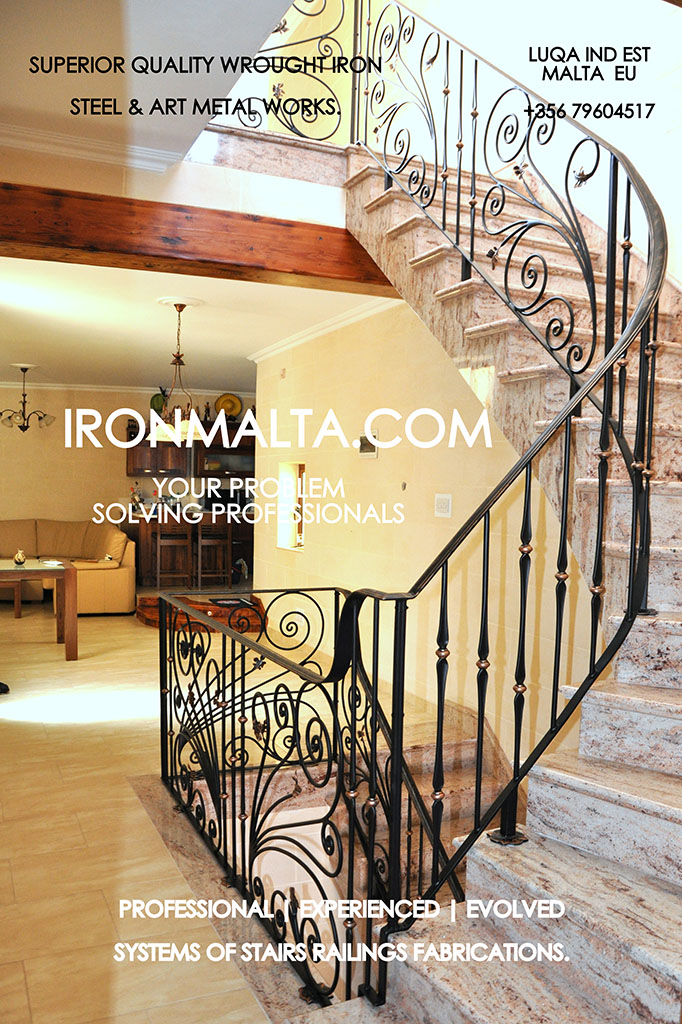
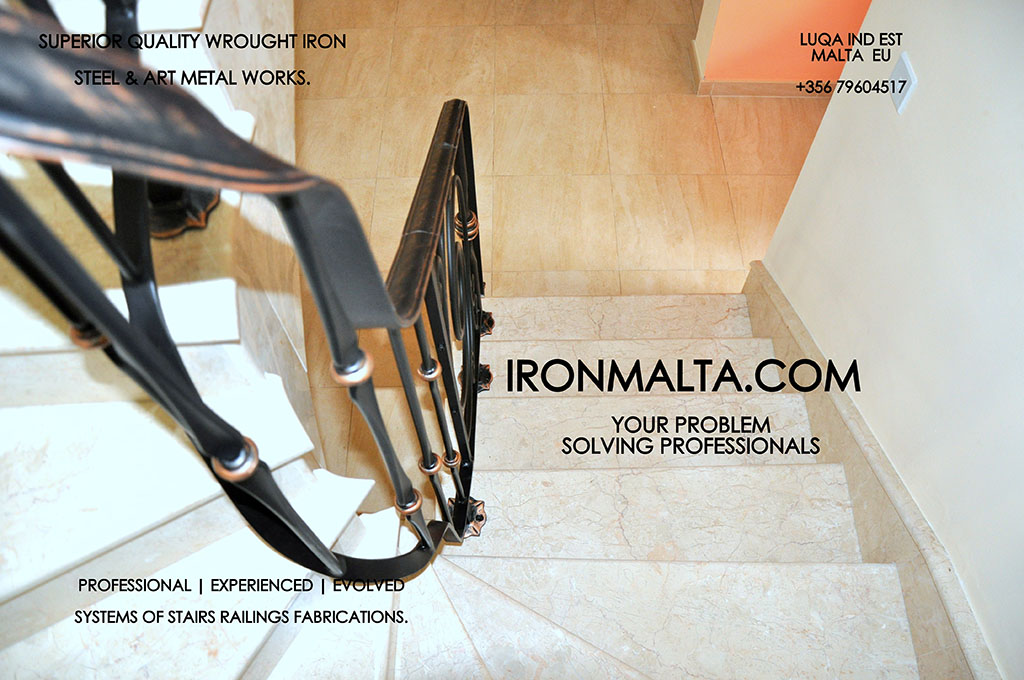
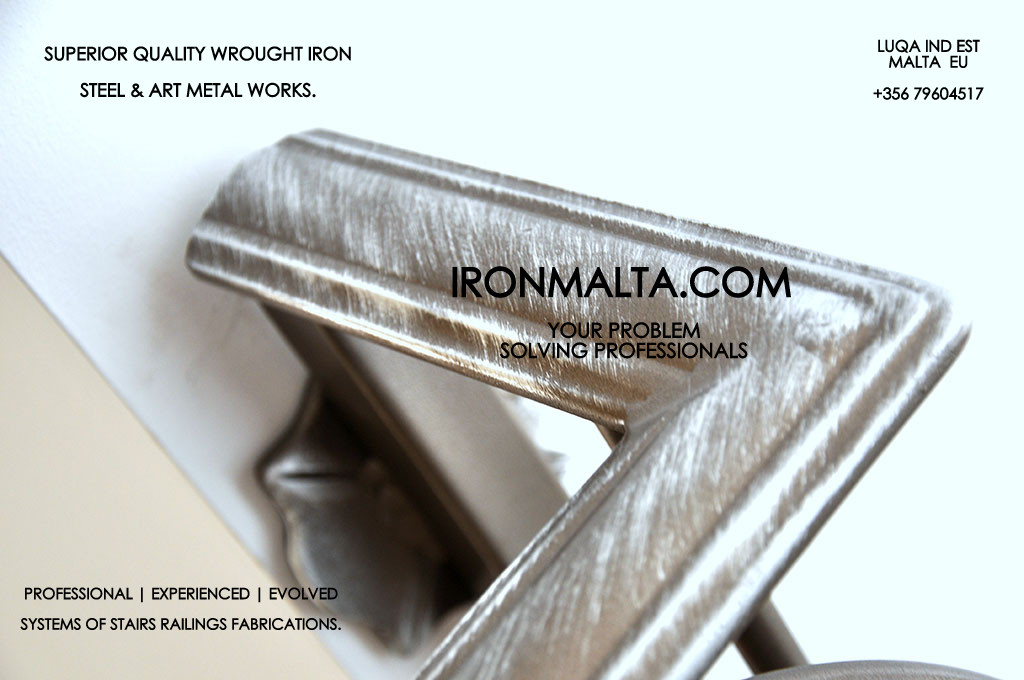

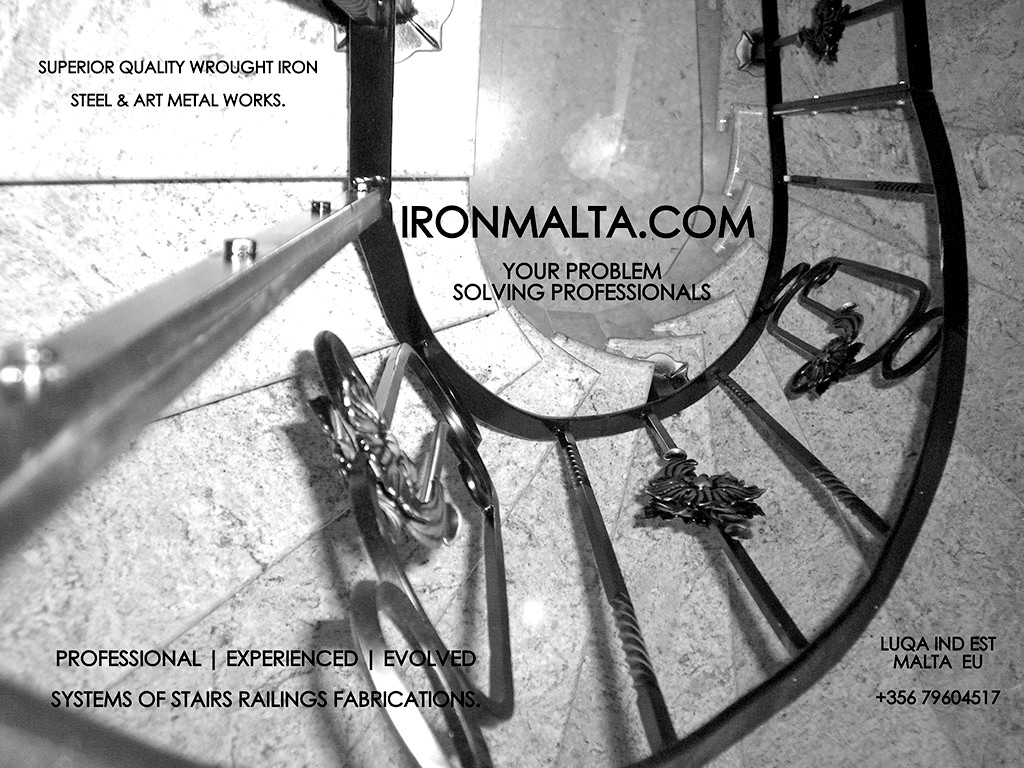

REVOLUTIONARY ROUND MANUFACTURING SYSTEM
80% LESS ONSITE WORK, RESULTING IN ELIMINATING ONSITE DAMAGES!! RISK FACTOR BY 80%
WHEN IT COMES TO CURVED STAIRS RAILINGS BUILD UP!
TO PREVENT INCONVENIENT DAMAGES, TRUST ONLY EXPERIENCED PROFESSIONALS.
To minimize risks and avoid potential problems, relying on experienced professionals is crucial. Their expertise and understanding of specific tasks can help prevent misunderstandings, errors, and costly mistakes, ultimately leading to better outcomes.
-
Knowledge and Skills:
Professionals possess specialized knowledge and honed skills acquired through education, training, and experience. They can navigate complex situations and make informed decisions, reducing the likelihood of errors or damage.
-
Reduced Risk:
When undertaking tasks that require expertise, experienced professionals are better equipped to identify and mitigate potential risks, minimizing the chance of negative consequences.
-
Efficiency and Timeliness:Professionals are often more efficient and can complete tasks in a timely manner, reducing delays and potential disruptions. Their experience allows them to anticipate challenges and streamline processes.
-
Cost Savings:
While hiring a professional may involve initial costs, their expertise can often lead to long-term cost savings by preventing costly errors or mitigating damages that could have arisen from inexperienced handling.
-
Peace of Mind:
Knowing that a task is in the hands of an experienced professional provides peace of mind, allowing individuals to focus on other important matters without the worry of potential issues.
-
Professional Accountability:
Professionals are accountable for their work and adhere to ethical standards, ensuring that their actions are in accordance with established practices and regulations.
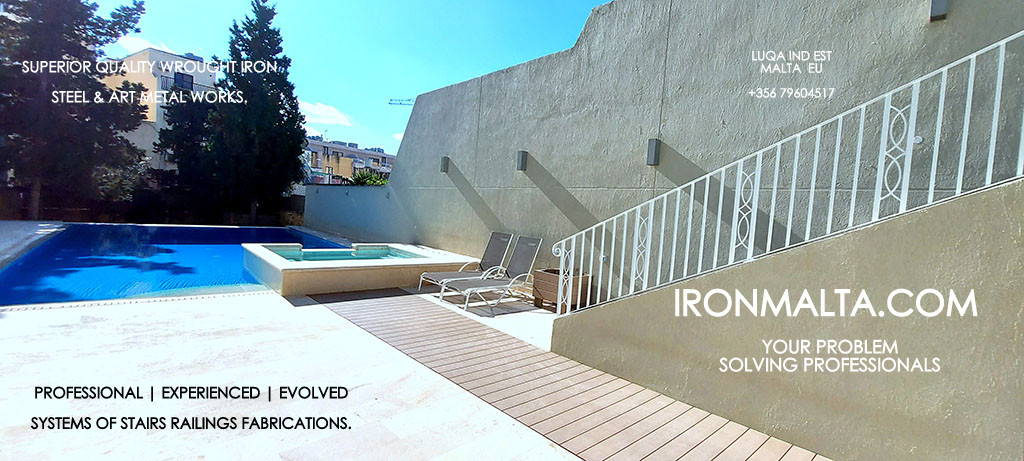
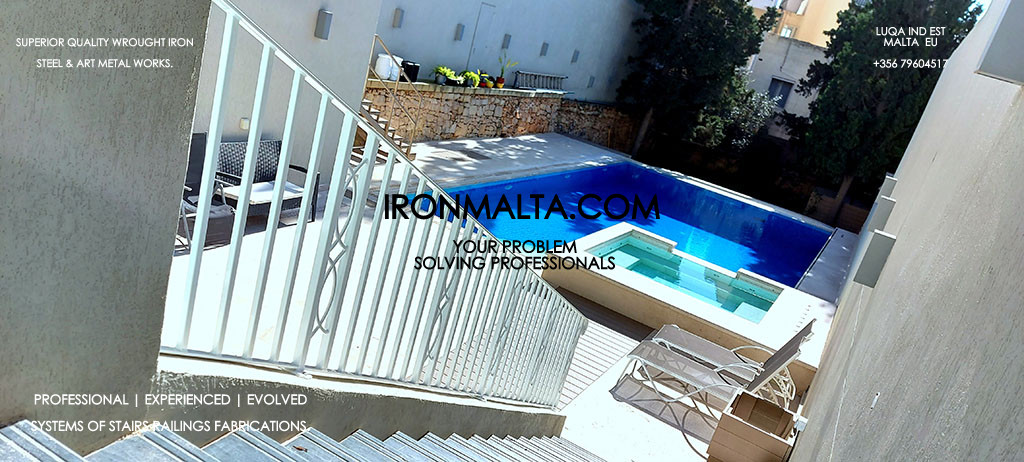
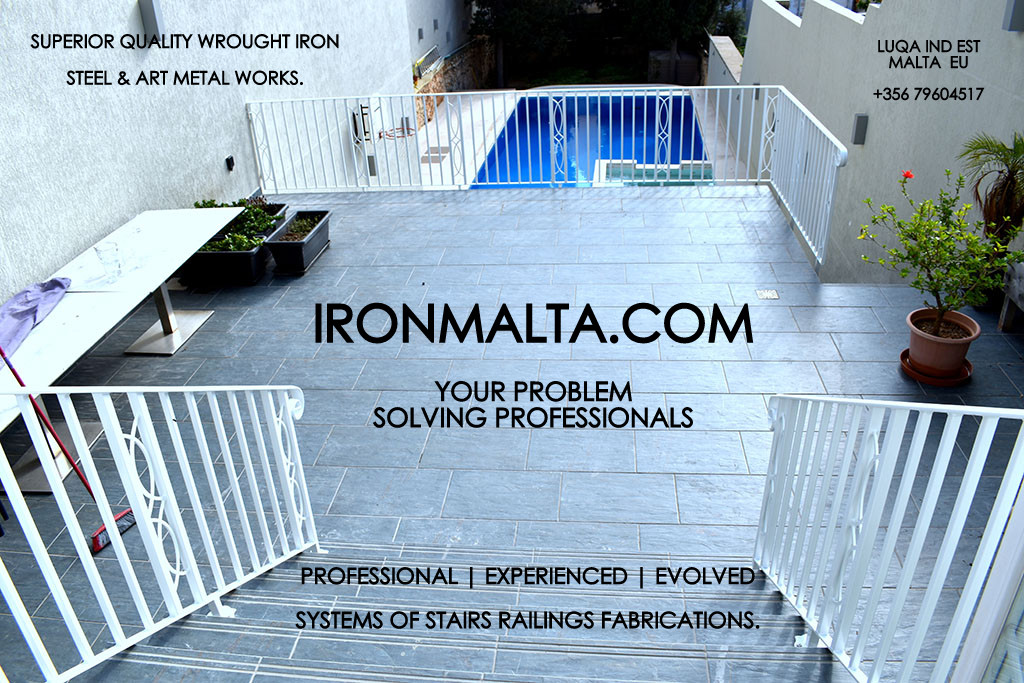
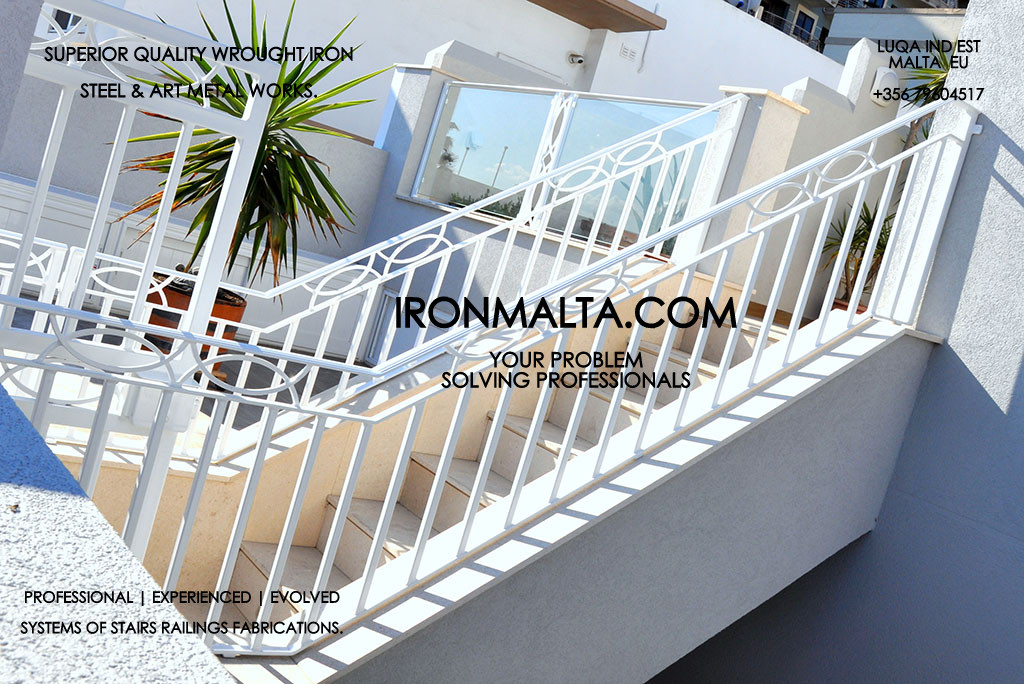
STAIRS RAILINGS MENU | LANDINGS | TERRACES | MALTA’S FINEST IRONMALTA.COM | STATE OF THE ART ONLINE DISPLAY | PHOTO GALLERIES OF PROFESSIONAL WROUGHT IRON & ART-METAL WORKS | VERTICAL | HORIZONTAL | ULTRA MODERN | MODERN | CONTEMPORARY | MINIMAL | PLAIN | GLASS | INDUSTRIAL | DESIGNS | LASER-CUT | ARTISTIC DESIGNS | TRADITIONAL | VINTAGE | CLASSIC | RUSTIC | COTTAGE STYLE | HERITAGE | INTERIOR | EXTERIOR DESIGN | WHITE | BLACK | GREY
#malta #artmetal #artmetalworks #ironworks #wroughtironworks #viral #professional #professionalservices #maltaproperty #homeimprovments #interiordesign #exteriordesign #quality #ironmalta #moderndesignmalta
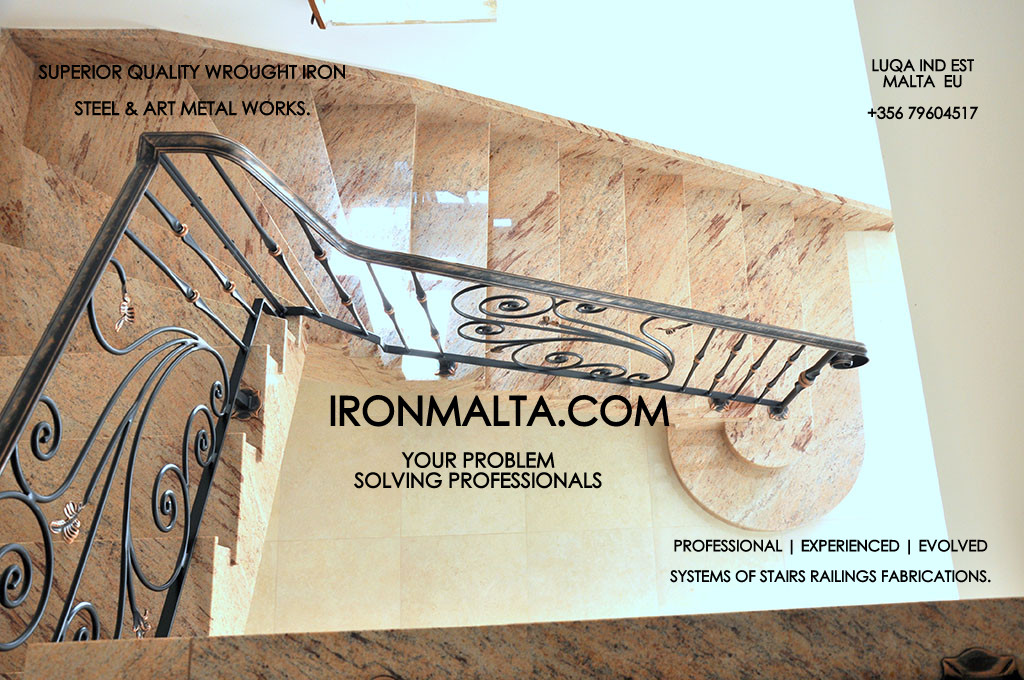


EXPERIENCED SPECIALISTS.
PROJECT CONSULTATION.
PROPERTY EVALUATION AND REQUIREMENTS.
BUDGETING AND COSTING ASSESSMENT.
MATERIALS RECOMMENDATIONS.
PROJECT MANAGEMENT.
MONITORED FABRICATION.
QUALITY CONTROLLED PROCESS.
SUPERB REFINEMENT QUALITY.
IMPRESSIVE EXECUTION STANDARDS.
PROFESSIONAL INSTALLATION.
EMBRACING INNOVATION.
GUARANTEED PEACE OF MIND!
“WHEN YOUR IN GOOD HANDS”.
YOUR PROBLEM
SOLVING PROFESSIONALS


Understanding the key components of a stair railing system is crucial for getting a precise, tailored quote from manufacturers, fabricators, or contractors. Here’s a breakdown of the core elements involved in a stair railing system, which you should understand and communicate when requesting a quote:
🧱 1. Frame or Structural System
These are the load-bearing elements that hold up the railing system.
Key Components:
-
Posts / Newel Posts: Vertical supports placed at corners or intervals.
-
Intermediate Supports: Extra posts, extra mounting legs or support rods between major posts.
-
Mounting Type:
-
Top-Mount / Surface-Mount
-
Side-Mount / Fascia-Mount
-
Core-Drilled (we like to ovoid it | not recommended in most of the projects).
-
-
Material: Sizes, Shapes, Thickness: bars | designs | handrail, etc.
-
Mounting Surface type: depending if its marble, wood, concrete, tile, etc.
✋ 2. Handrail
This is the graspable component that users hold onto.
Considerations:
-
Continuous System:
A continuous stair railing handrail is a handrail that runs uninterrupted along the full length of a stair flight or series of flights, including around turns and landings — without gaps or breaks.
Understanding this system is crucial.
🪜 What Is a Continuous Handrail?
A continuous handrail:
-
Begins at the bottom of the stair and continues without interruption to the top.
-
Maintains a consistent graspable profile (no sudden size or shape changes).
-
Individual Systems:
An individual stair railing handrails, which are not continuous but instead broken into distinct, separate sections, These are commonly found in basic residential settings or architectural styles that emphasize minimal intervention or segmented design.
-
Covers only part of the stair run or one flight.
-
May start and stop at each flight or level, often ending at posts or walls.
-
Is not connected continuously through landings, turns, or changes in elevation.
-
Often used in budget-friendly, traditional, or non-code-critical applications (e.g., private residences not governed by strict codes).
✅ Pros & Cons
✅ Pros
-
Easier to install in segments
-
Modular – in parts
-
Flexible style – matches a more minimal aesthetics
-
Cheaper in material and labor
⚠️ Cons
-
Not always code-compliant (esp. for safety/accessibility)
-
Can feel choppy or disjointed
-
Less secure in multi-flight runs
-
Requires more brackets/posts.
🔧 Example Configurations
-
Each stair flight has its own handrail segment, starting and stopping at a landing.
-
No rail across landings, only handrails on the stairs themselves.
-
Wall-mounted segment handrails installed only on one side.
-
Material: Sizes, Shapes, Thickness:
-
Shape/Profile:
-
Round.
- Square.
-
Rectangular.
-
Flat.
-
Custom | Odd profiles.
-
Code Compliance:
Inline with the EU Safety Regulations for required diameter and height
-
-
Wall-Mounted vs. Post-Attached: Mounted to the wall or part of the railing assembly.
🔳 3. Infill / Balustrade System
This is the section between the handrail and base, which prevents falls.
Options:
-
Balusters (Spindles): Vertical bars (wood, iron, metal).
- Art Metal: Laser-cut metal, perforated steel, etc
-
Panels or Screens: various shapes, designs, sizes, thicknesses of laser-cut metal.
-
Glass Panels: Clear, frosted, or tinted.
-
Cable Rail: Stainless steel cables for industrial look.
Code Factors:
-
Openings must generally prevent a 4-inch sphere from passing through.
🧩 4. Finish & Detailing
-
Coatings: Powder-coated, stained, painted, raw metal with clear coat.
-
Custom Features: Scrolls, caps, lighting integration.
-
Color / Style Preferences
📝 To Get an Accurate Quote, Be Ready to Provide:
-
Measurements (height, run, number of steps, stair width)
-
Drawings or Photos (existing conditions and/or design inspiration)
-
Mounting Surface Type (wood, tile, concrete, etc.)
-
Material & Style Preferences (can be chosen from our website or supply us with few photos.)
-
Location (indoor vs. outdoor — affects material choice)
-
Code Requirements (local building code restrictions)